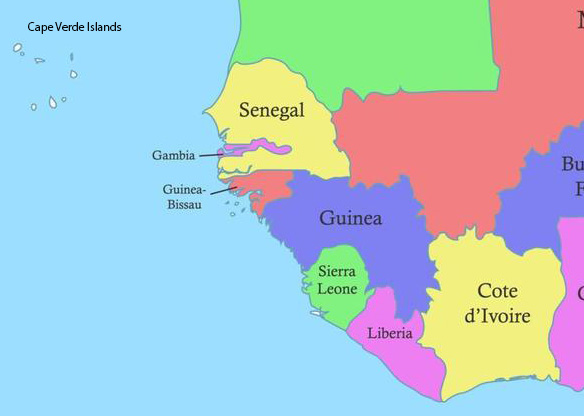
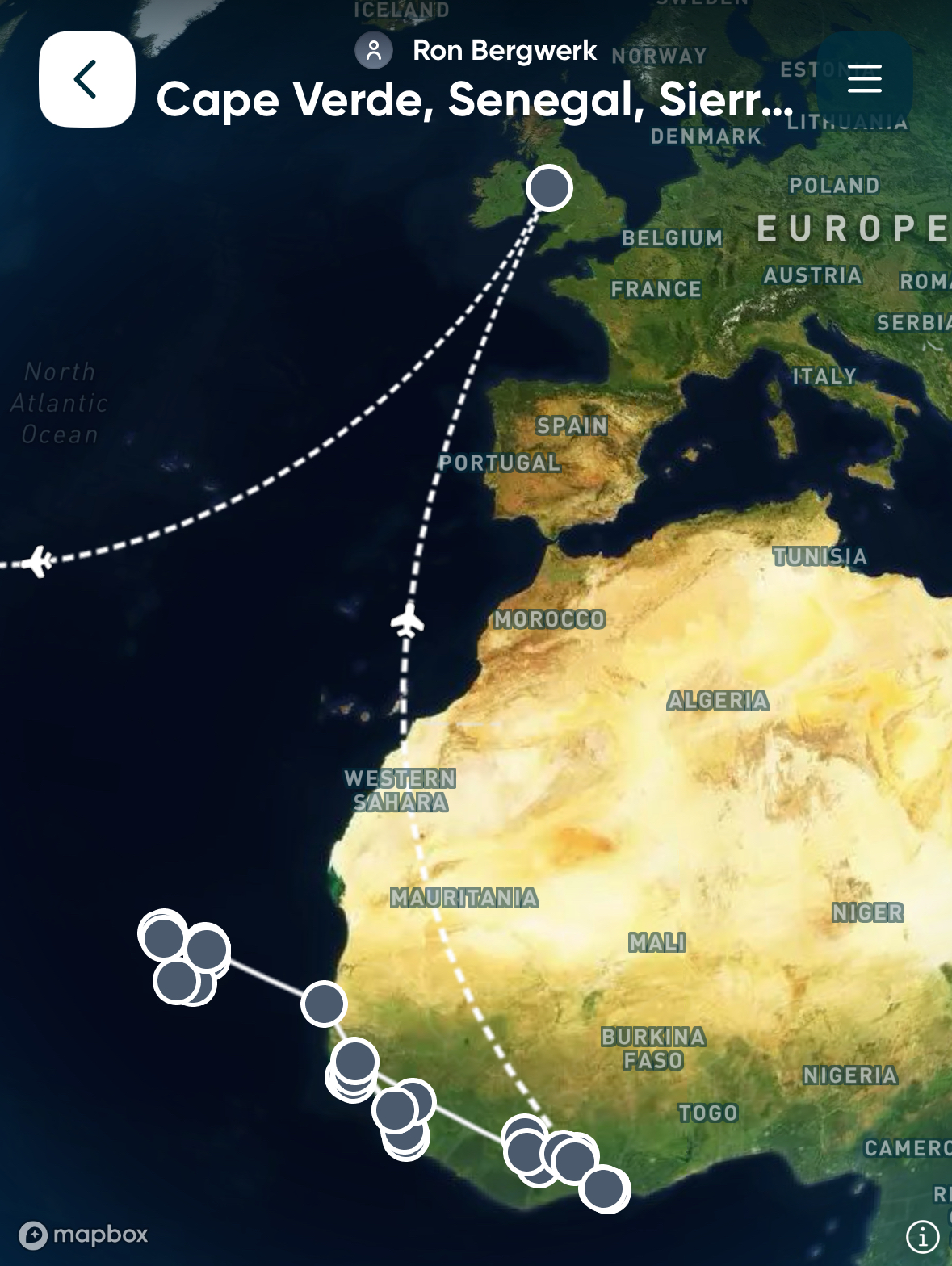
There are seventeen countries in West Africa. On this trip I get four more (leaving two to go).
Delta flies non-stop to Dakar. I have already been to Senegal, so this is a mere transit point. The airport has been inconveniently relocated to the middle of nowhere, so I hang around the terminal for the too long layover for my flight to Cape Verde.
Sal island, some 400 miles off the coast of Africa, was basically uninhabited until its desert climate was deemed right for the development of huge holiday resorts. Its airport, with a super-long runway constructed as an alternate landing site for the space shuttle, has a full schedule of direct flights to every part of Europe, but a paucity of connections to the rest of the archipeligo.
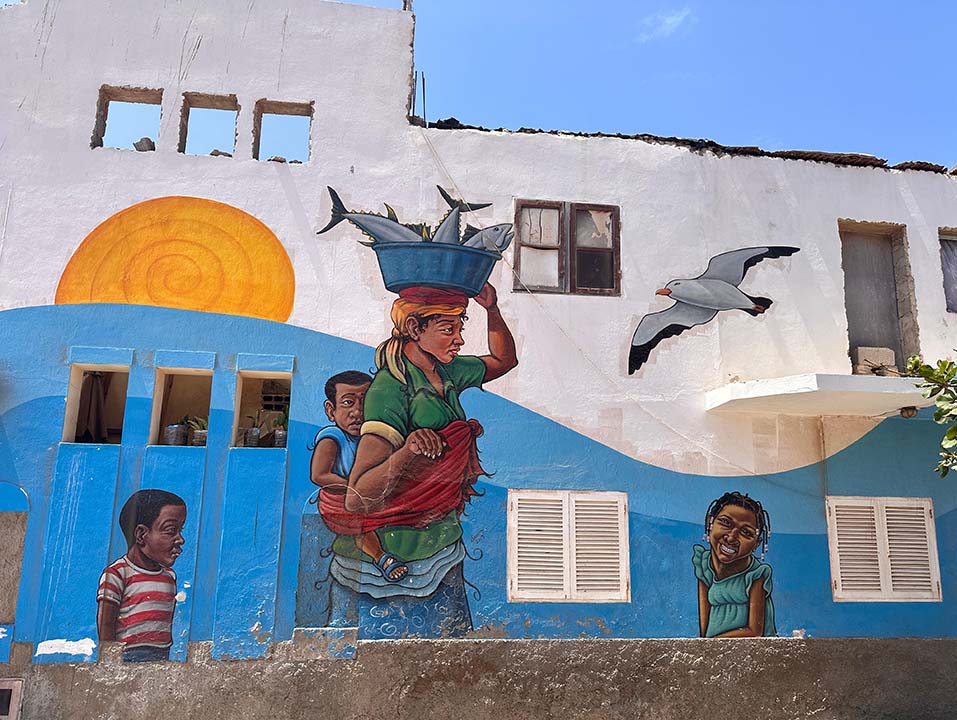
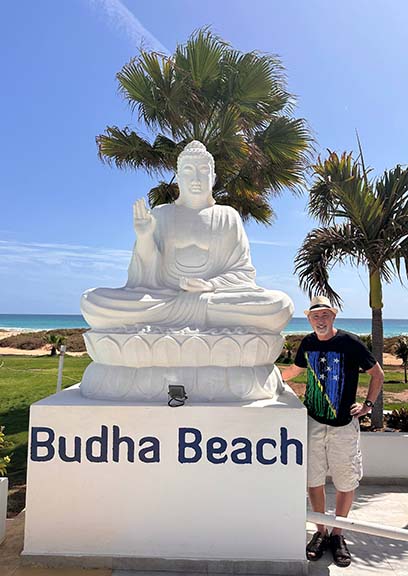
It’s been twenty years since I was last in Cape Verde, and then I only visited three of the islands. This time is a week-long cruise that covers six. But first, a brief sojourn at a beachfront hotel, where, instead of sand, the beach is covered by a blanket of broken seashells.
|
|
|
|
|


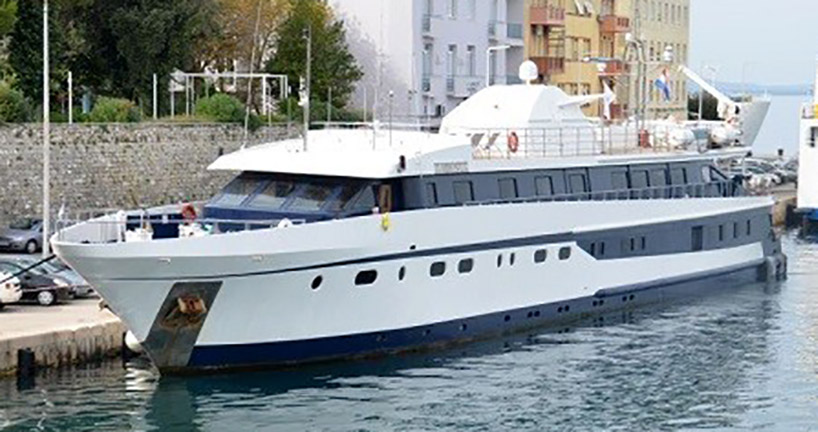
It's a small ship – 14 cabins – classified as a “motor yacht”. Departure is from Palmiera harbor.
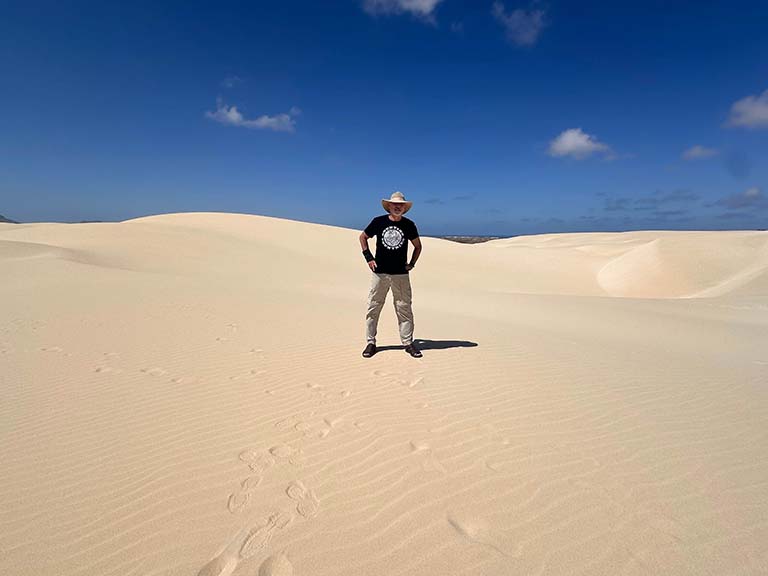
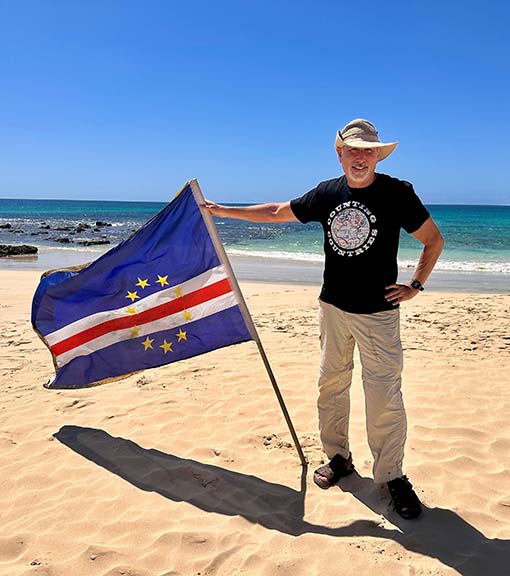
After a brief overnight sail, the first port of call is Boa Vista, another sparsely inhabited mostly desert isle.
|
|
|
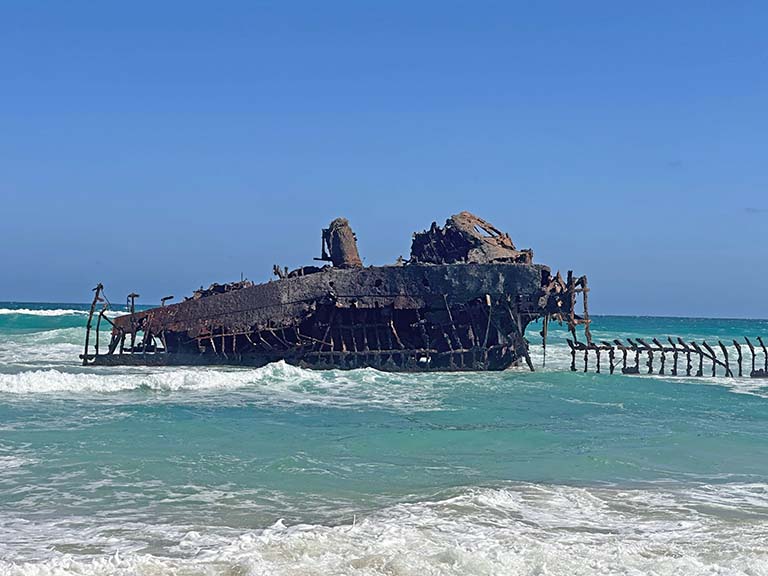
Just offshore is the wreck of a Spanish freighter that ran aground in 1968. The event was viewed as heaven-sent by the populace, who spent the next year unloading and appropriating its cargo.
|
|
|
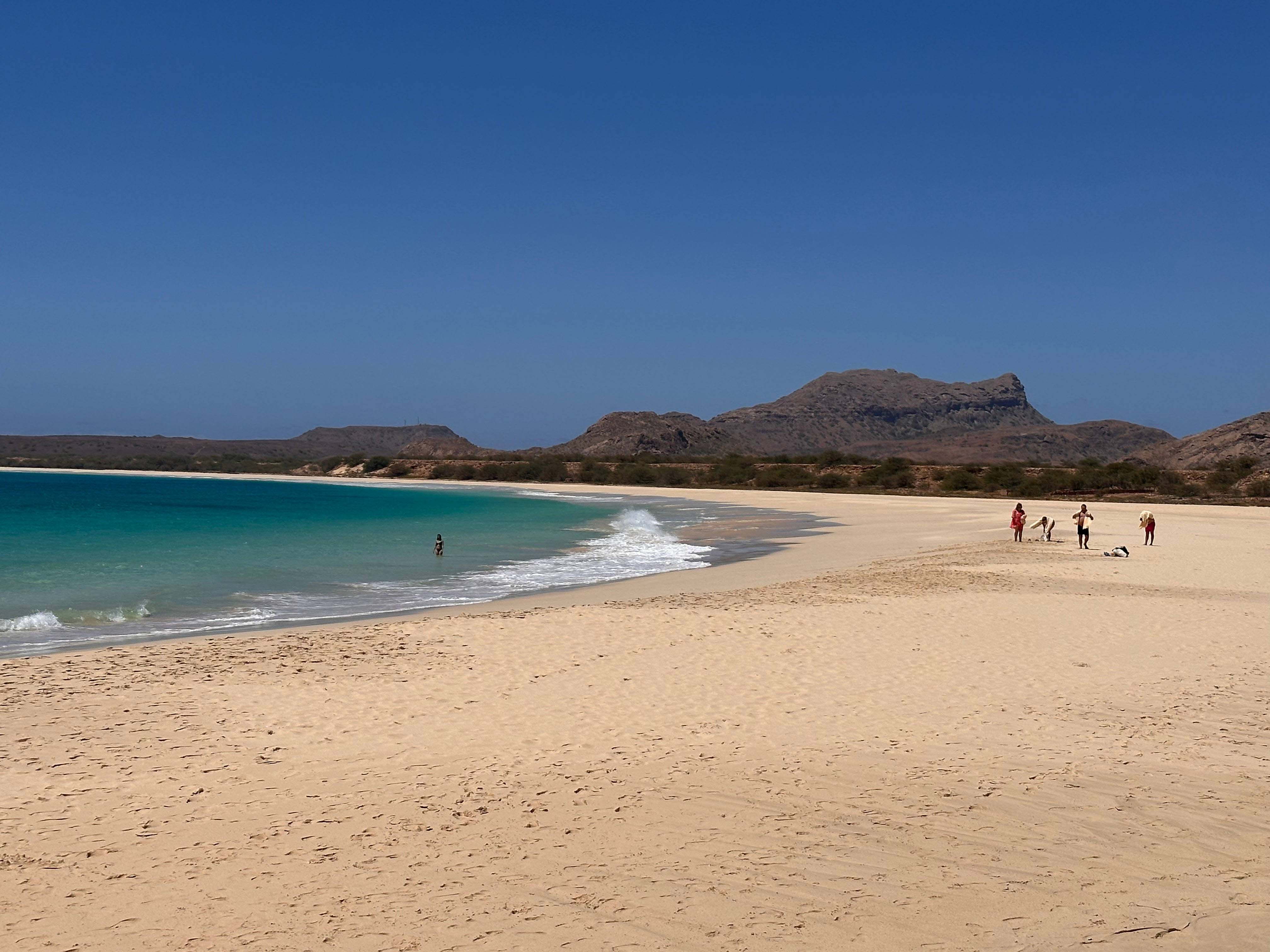
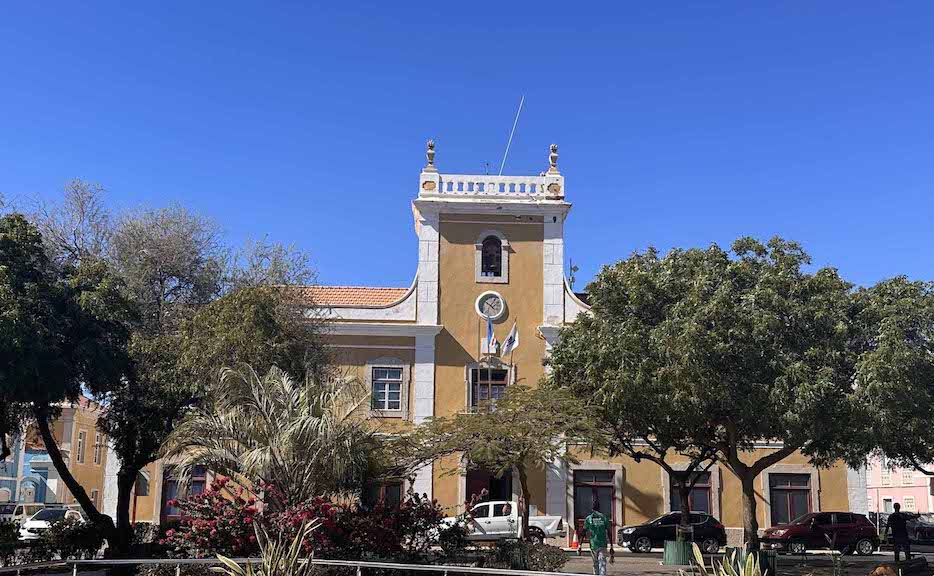
Our next island is Santiago and the capital city, Praia, which served as my base last visit.
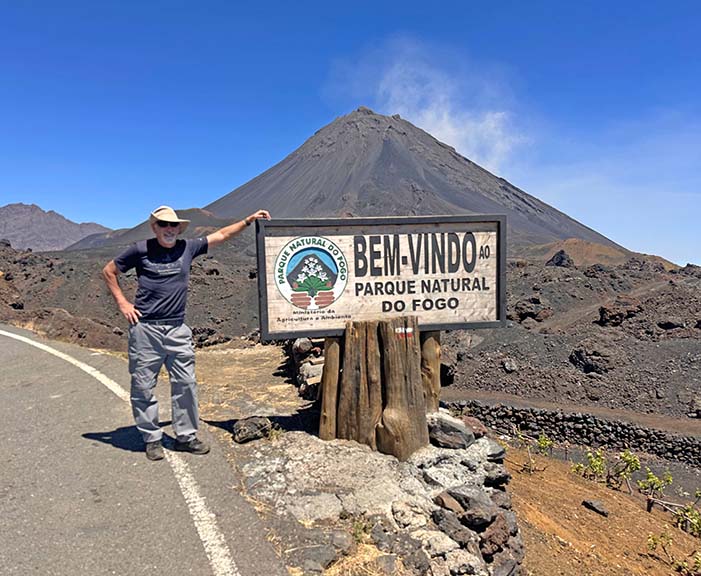
On to Fogo, another new island for me. It’s principal feature is an active volcano, Pico de Fogo, which last erupted ten years ago. Surprisingly, there a settlement in the middle of the caldera and its hardened lava flows.
|
|
|

So far this trip, the winds have been ceaseless, and it really comes into play when we have to cross the open ocean to reach São Vincente island. Our boat, which normally cruises the Greek Isles and the Mediterranean, was not designed for the ten-foot seas we encounter. On the overnight passage we are tossed about like corks and seasickness is rampant. We finally reach the shelter of the island and the calm harbor of Mindelo.
|
|
|
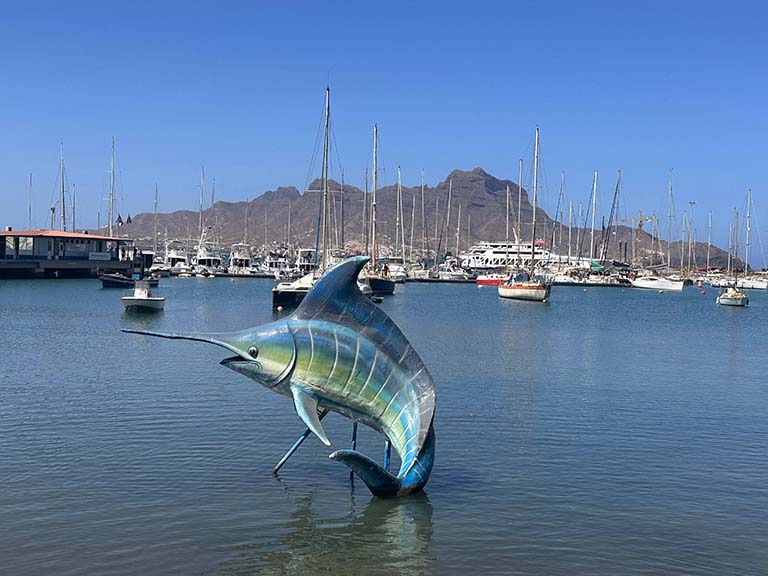
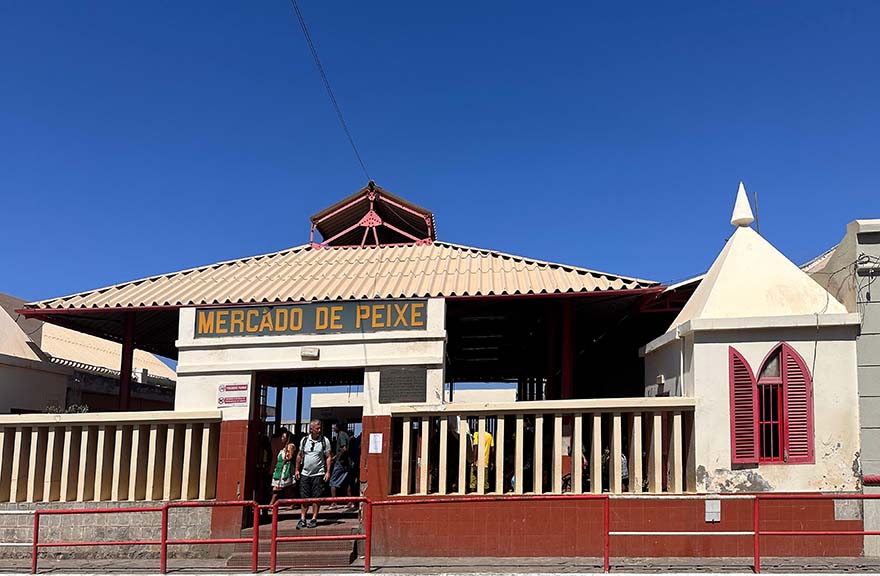
Mindelo, although nominally Portuguese, was an important coaling station for the British Navy and developed into a prosperous port.
|
|
|

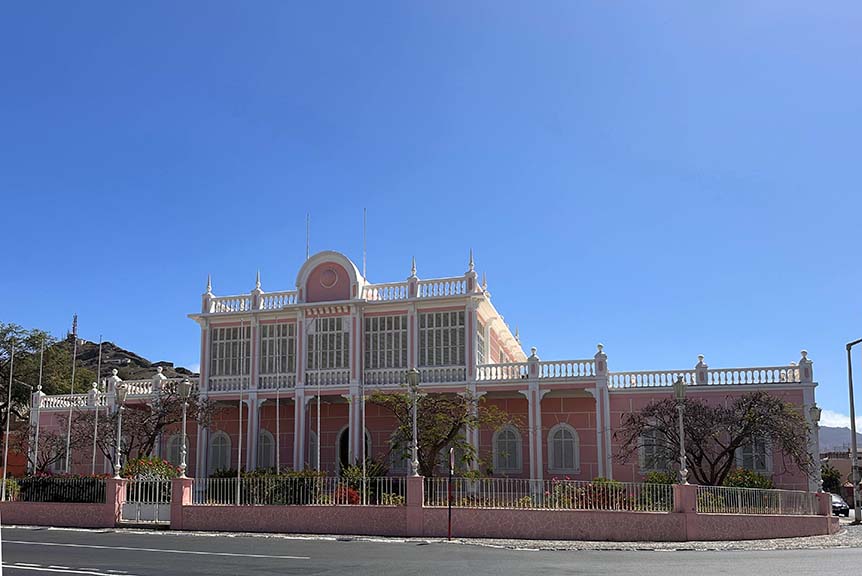
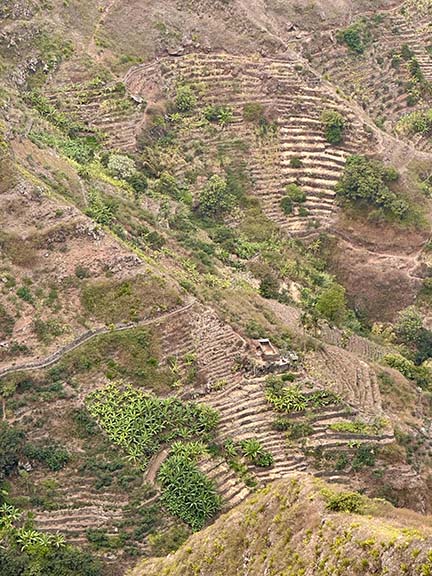
The final island on the cruise itinerary is Santo Antão, the largest and most scenic. A drive from South to North across the center reveals small towns and abandoned mountainside farming terraces amid volcanic-sculpted landscapes.
|
|
|

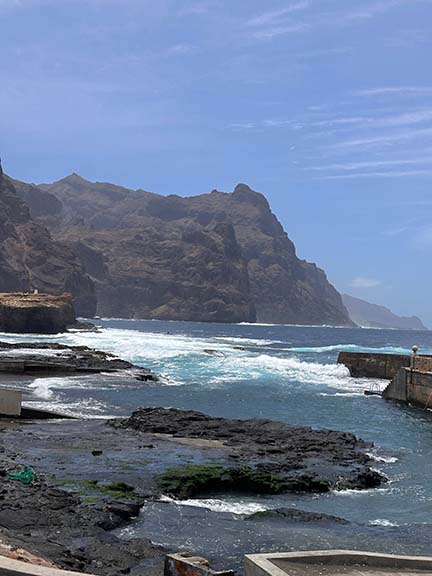
The north side features a rugged coast and a lush valley, the wettest location in this otherwise dry archipelago.
|
|
|

The trip back to Sal involves another ocean crossing, this one not as long or severe as the first.
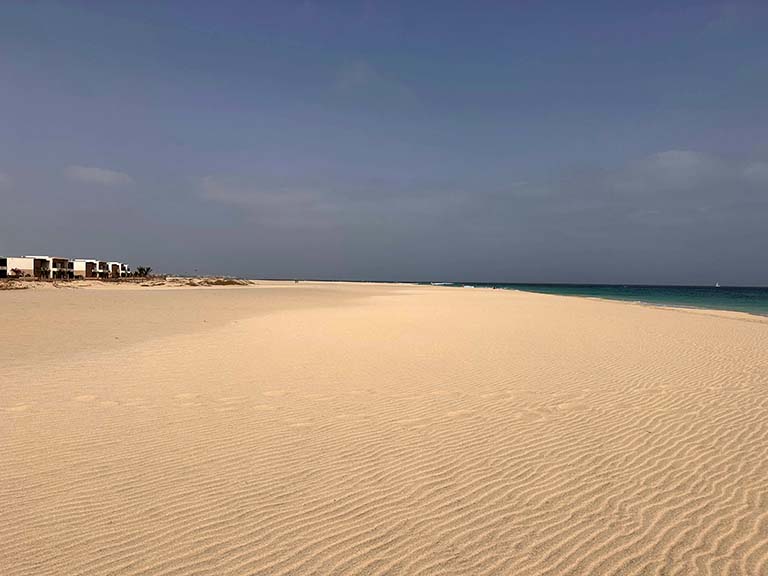
There being not so many flights to Africa, a couple more days on Sal, this time at one of the large resorts. Wide, pretty beaches, but deserted due to the constant wind and unsafe-for-swimming waters.
|
|
|
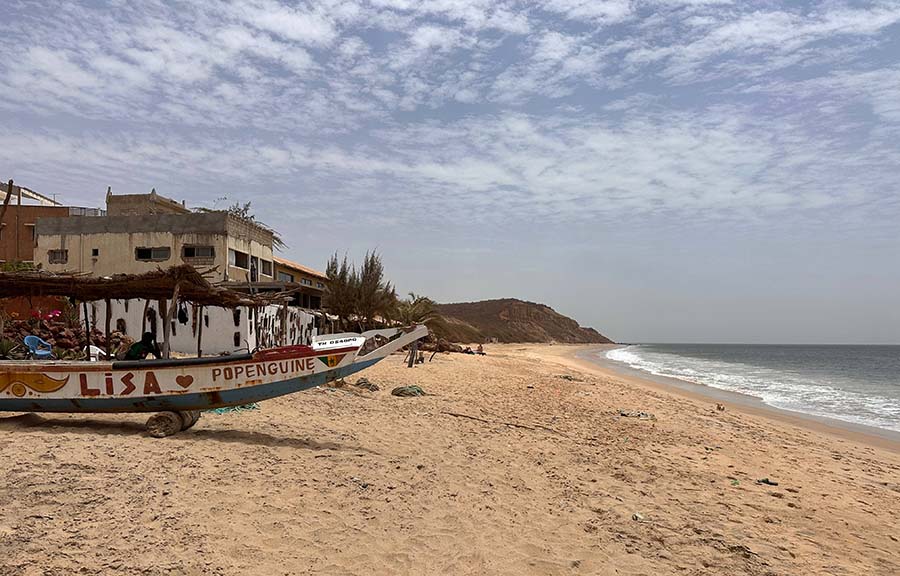
Back in Dakar for another overnight layover, this time at a beach place somewhat close to the airport.
The next day brings the first new country for me on this trip: Sierra Leone. Named by Portuguese navigators, the country began as a settlement for freed slaves (akin to neighboring Liberia). Its capital, Freetown, is our base.

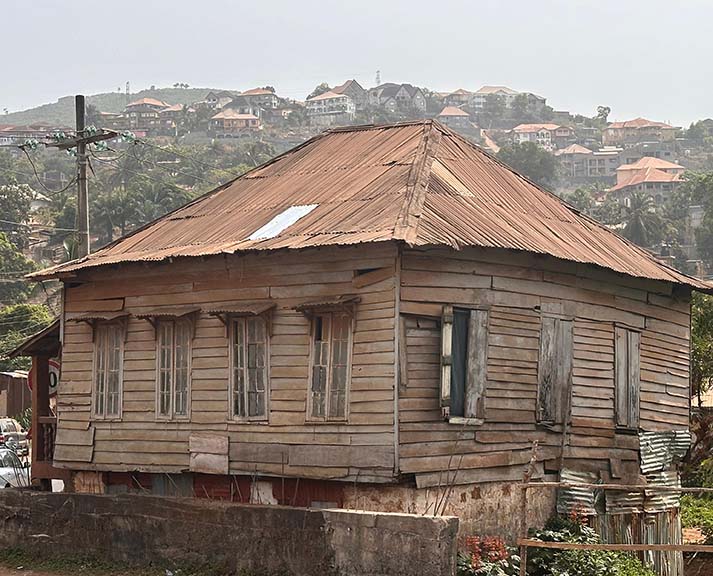
There are a surprising number of early colonial-era structures still standing. Considering that this is one of the poorest countries on earth, it is also surprising to see many large houses under construction.
|
|
|

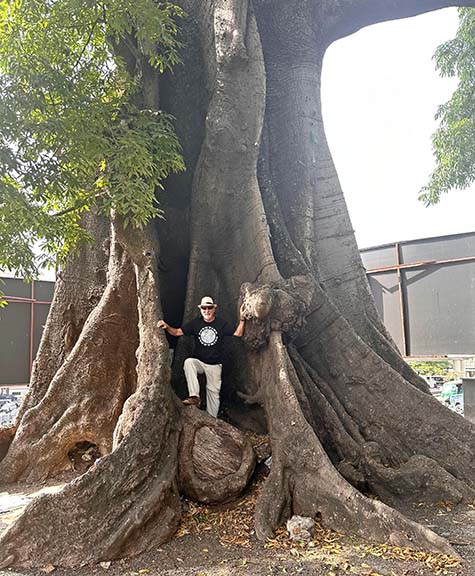
The city itself is dense and bustling with lively markets and over a million inhabitants. An ancient cottonwood tree at its center is considered its 1792 founding point.
We tour an area called the Western Peninsula. The towns here all have English (as opposed to African) names and are quite historic.
|
|
|
|
|
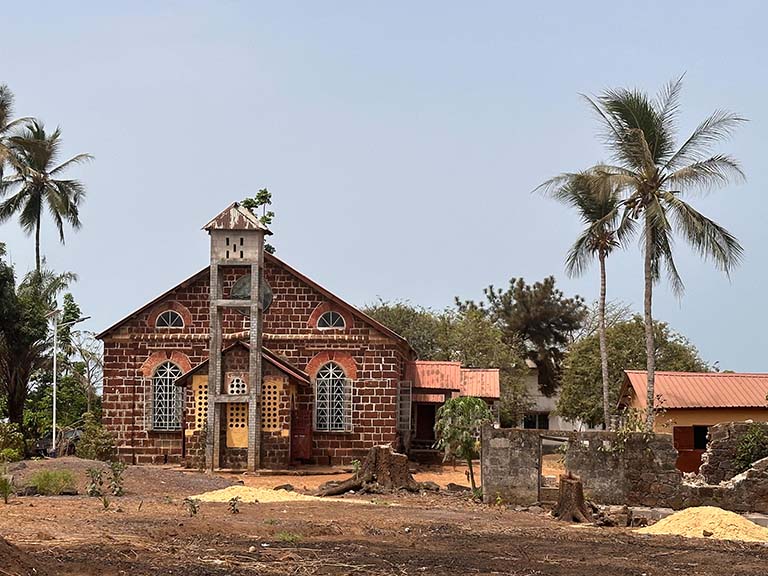
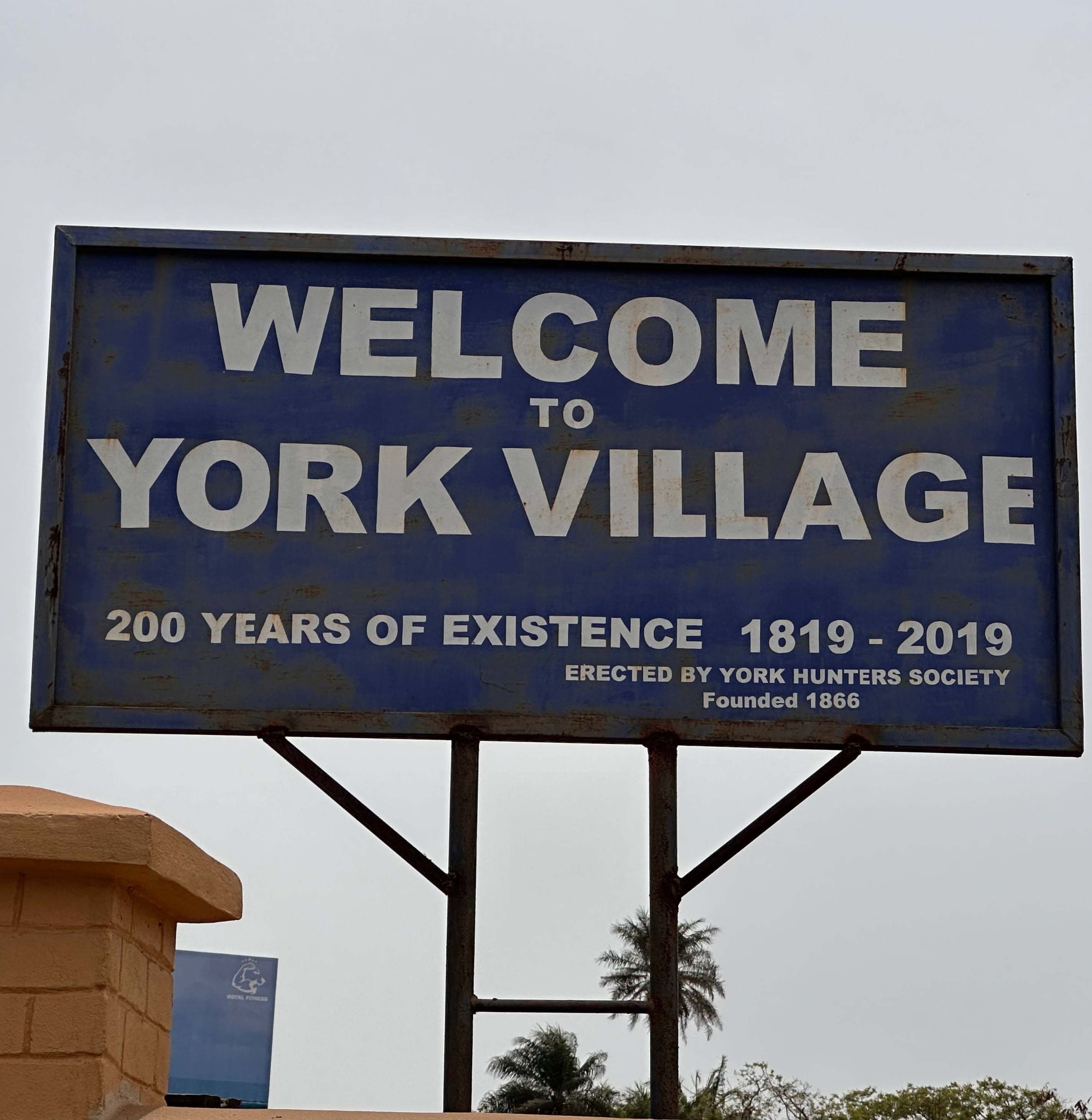
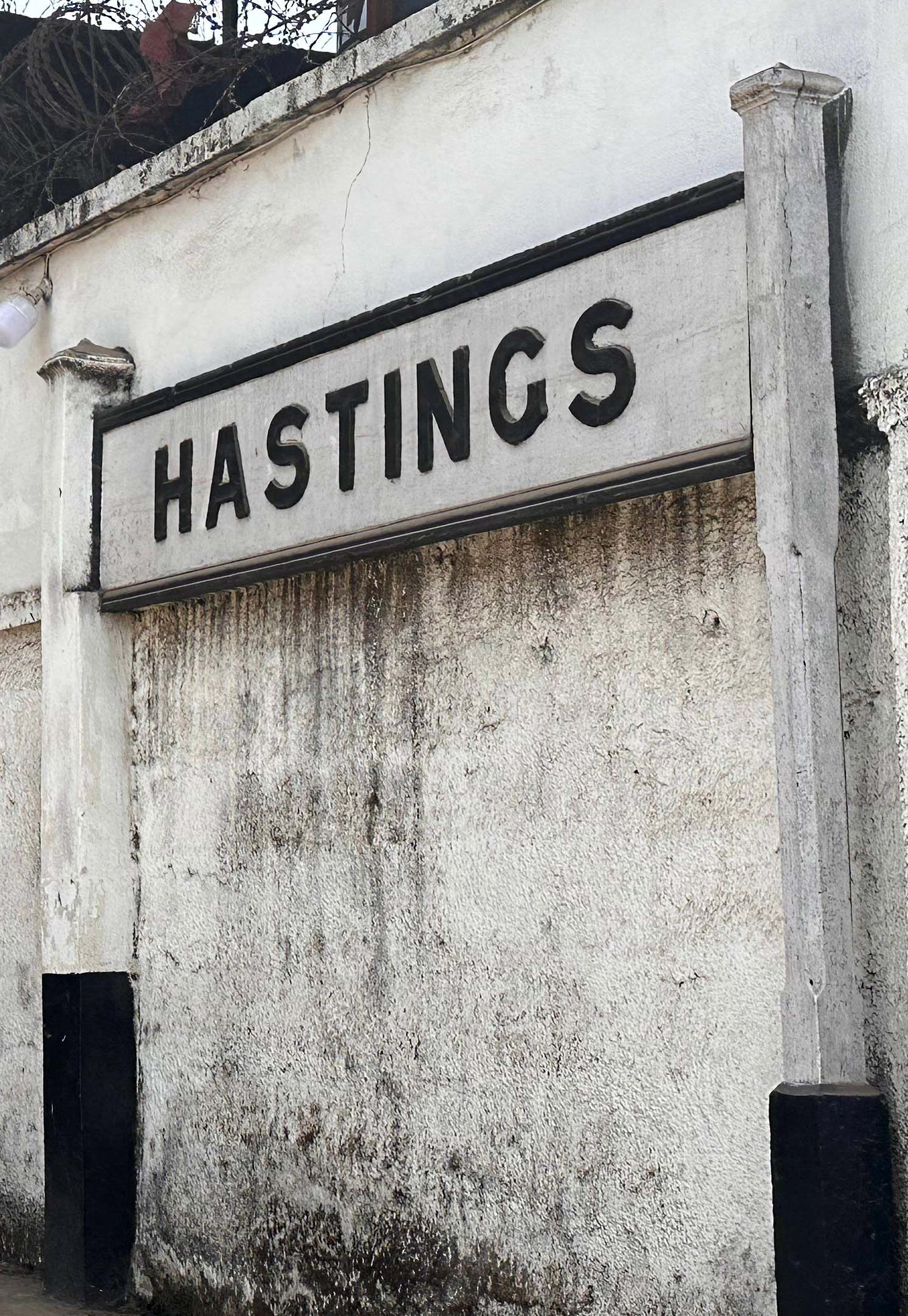
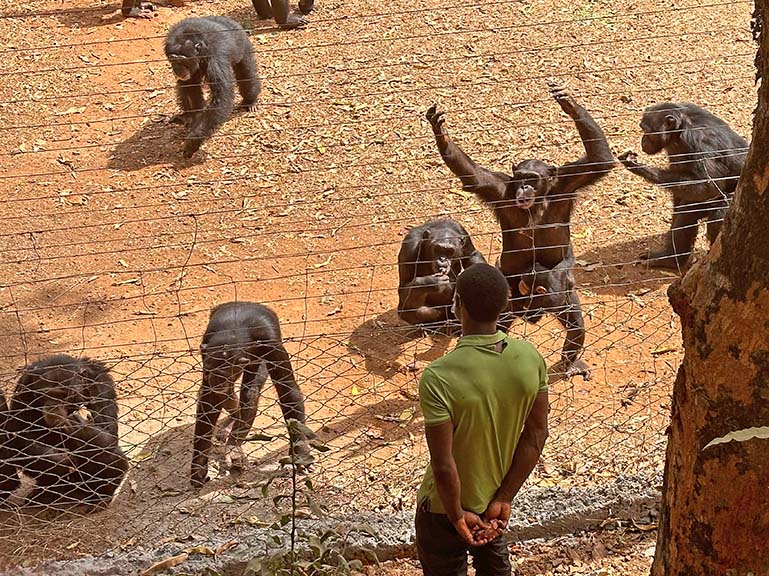
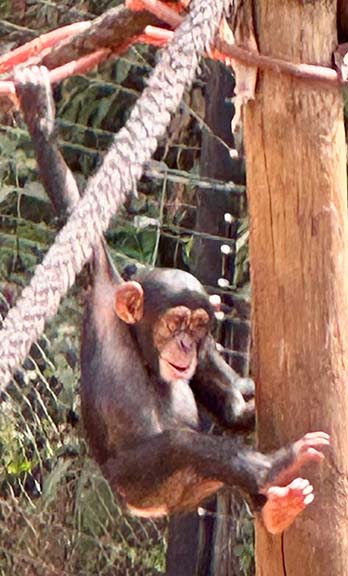
The peninsula is also home to the Tacugama Chimpanzee Sanctuary. These are not cute pets; they are wild, nasty and delight in hurling stones at visitors. Hence, we are restricted to viewing them from elevated platforms above electrified fences.
|
|
|
|
|

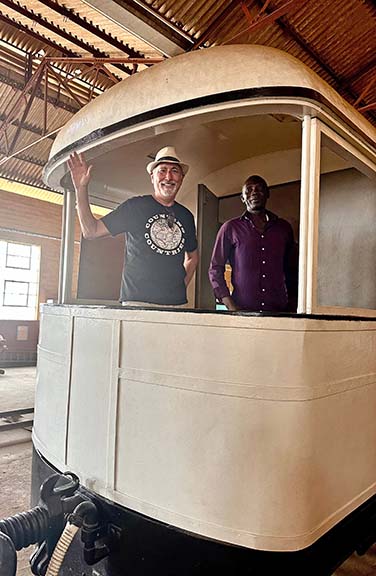
Of interest is the National Railway Museum. The colonial rail network was vital for both passenger transportation and extraction of natural resources until well into the 20th century. Enthusiasts gathered up some of the surviving remnants into a most interesting collection and exhibit, including the carriage built for Queen Elizabeth's visit here in 1961.
|
|
|

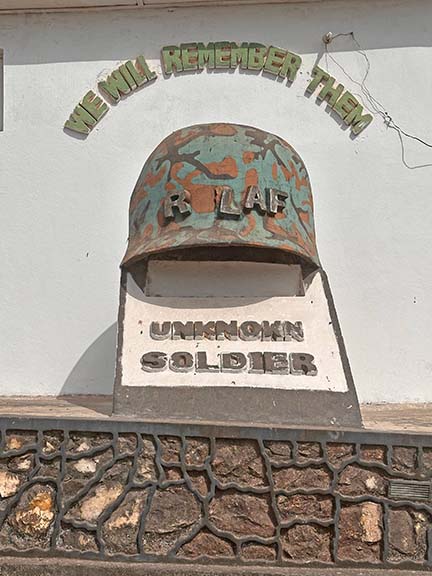
The country was racked by a decade-long civil war in the 1990’s, marked by mass amputations and the abduction and use of child soldiers. Our guide relates a horrific story about being orphaned at age ten after watching his family slaughtered, being left for dead, and being captured but escaping from the rebel army twice before making his way to the capital where relatives lived. The conflict ended in 2002 with the intervention of foreign forces and defeat of the rebels (who were subsequently reincorporated into the national army). A second guide relates his own very similar tale. The monument to the conflict is not quite what you would expect.
|
|
|
|
|

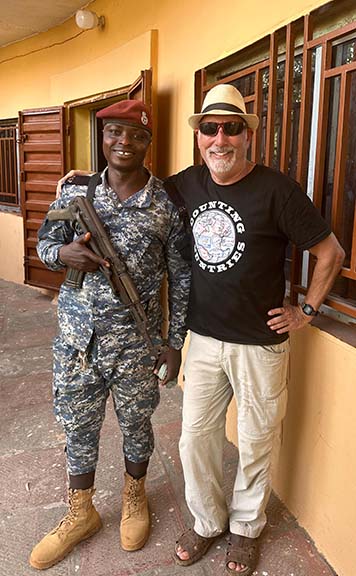
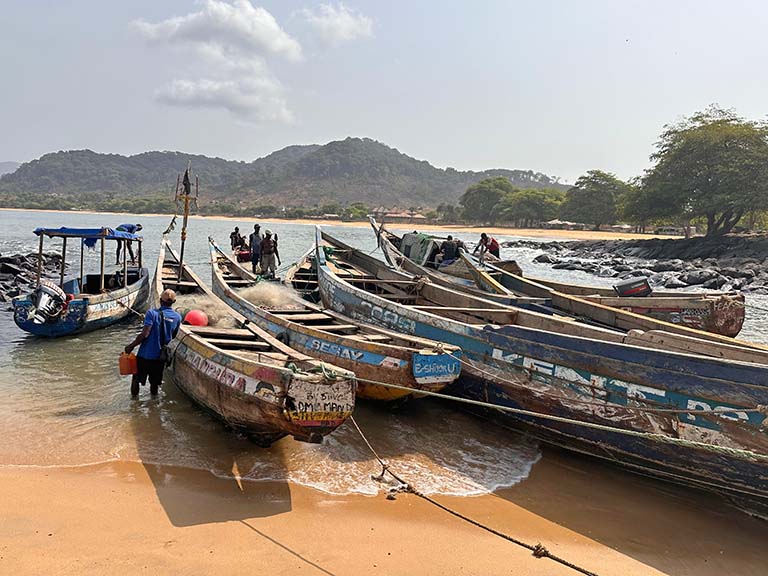
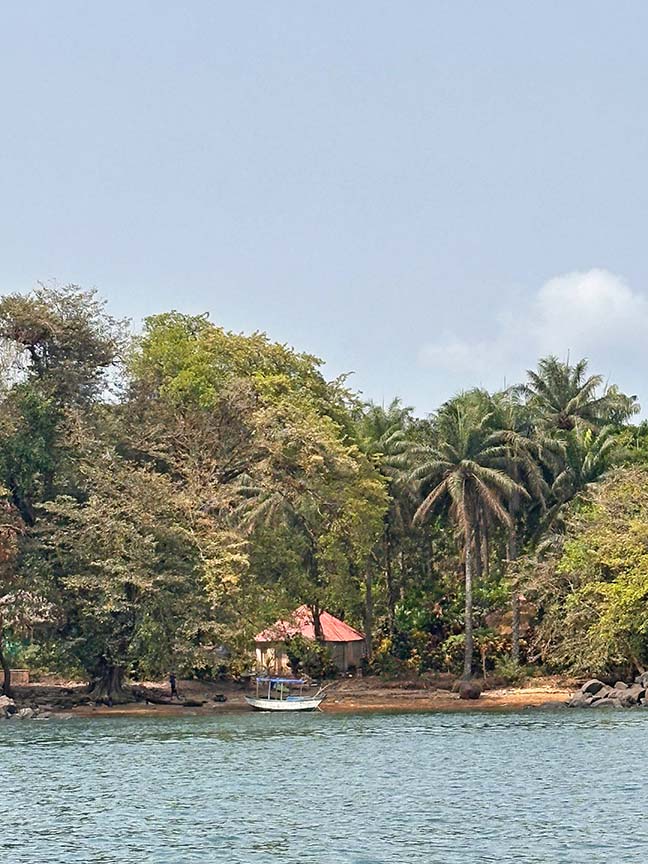
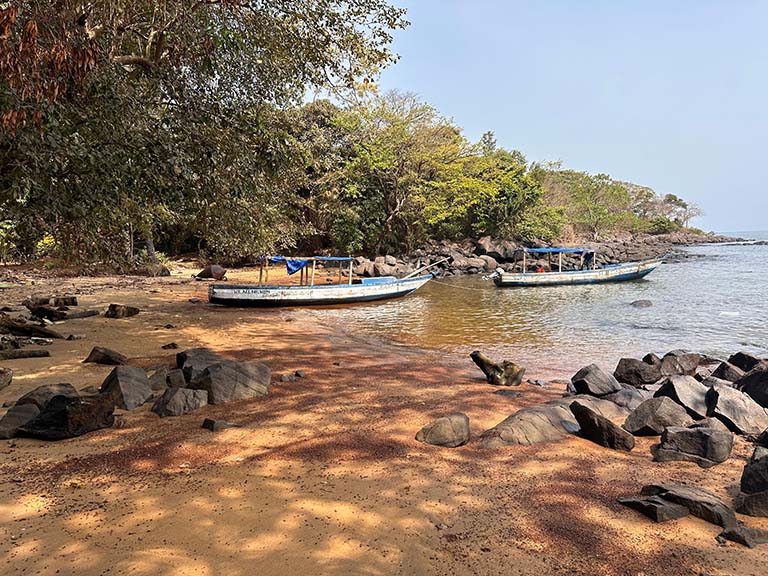
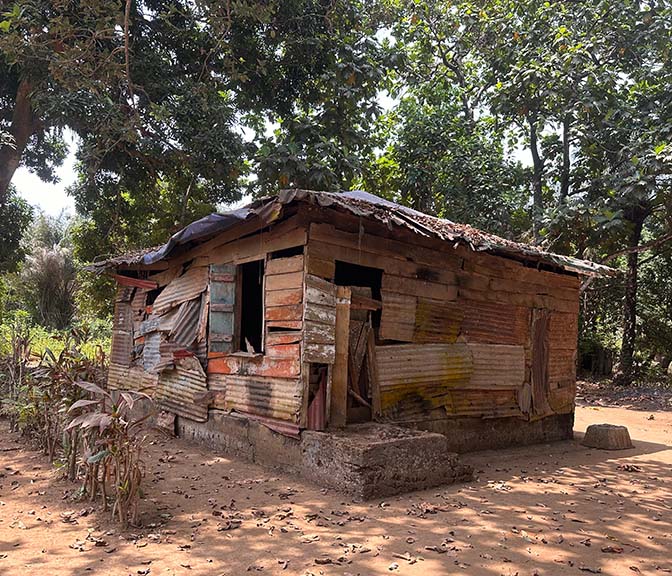
Our final day is a visit to Banana Island and its 200 year old settlement of Dublin. Amazingly, the ancient houses (really shacks) still stand and are still inhabited. After a walking tour, a sumptuous lobster feast.
|
|
|
|
|
|
An early morning fast-ferry takes us north along the coast to Conakry, capital of Guinea.
|
|
|
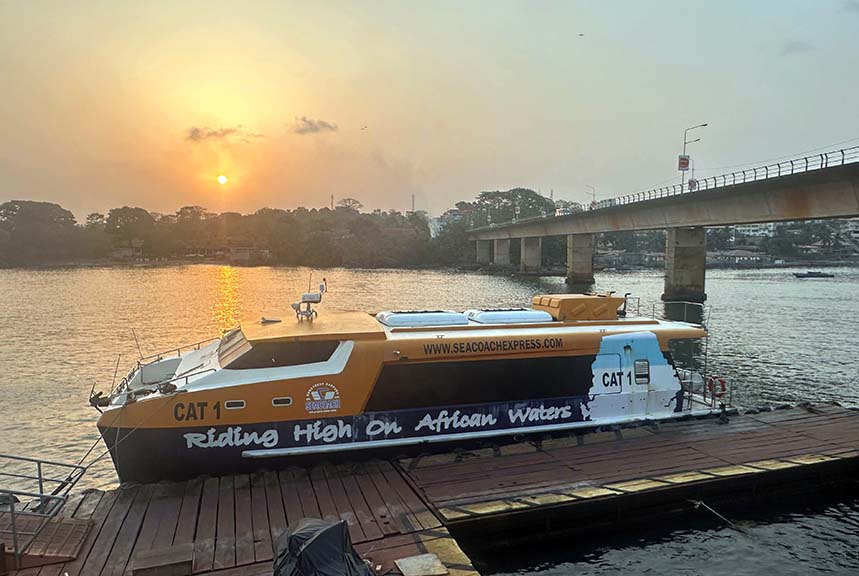
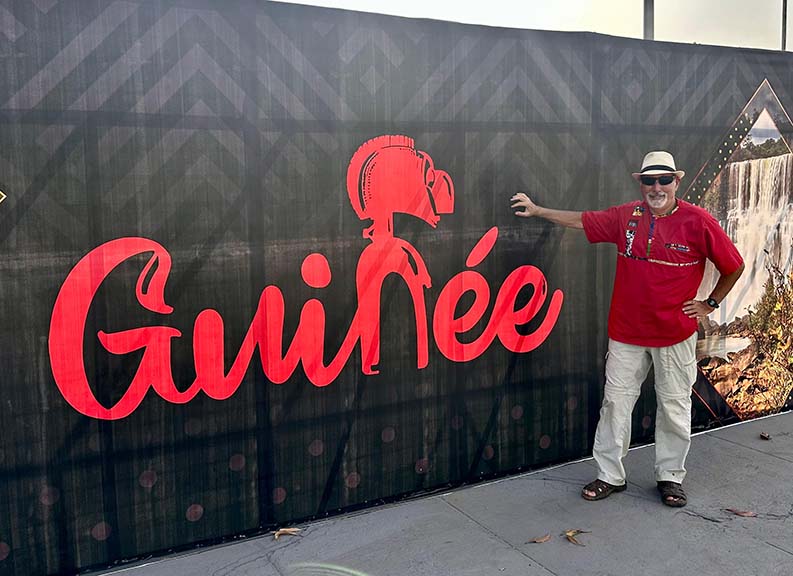
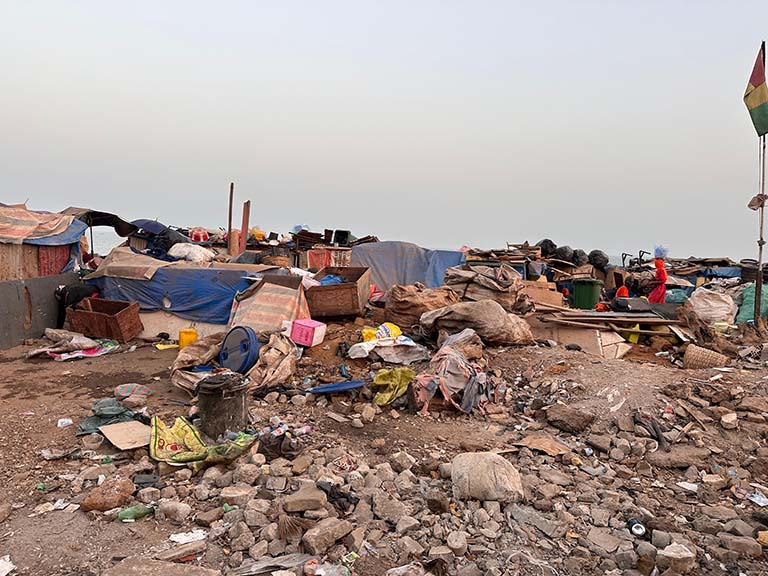
Guinea was the first of the French African colonies to gain independence. Unlike their sister dominions they rejected all ties to France and cast their lot with the Turd-World Liberation Movement and communist economic model. The results have been entirely predictable. The waterfront is a literal dump.
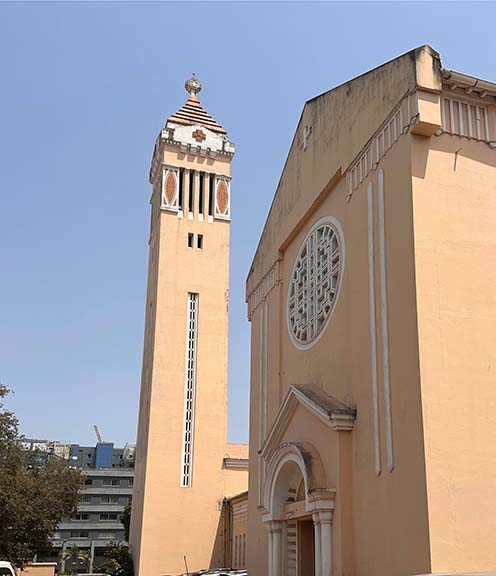
The French left behind a nice cathedral and the Saudis have since gifted an even nicer Grand Mosque.
<
|
|
|
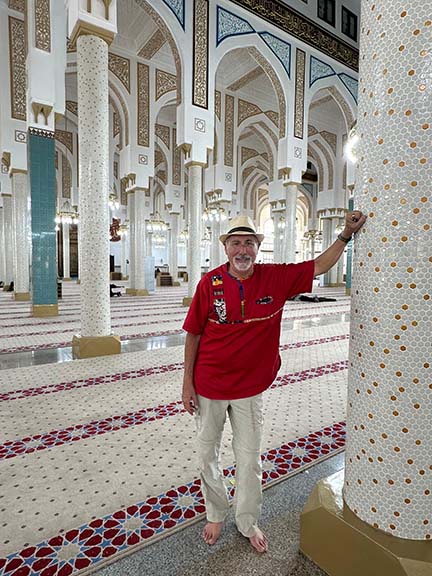
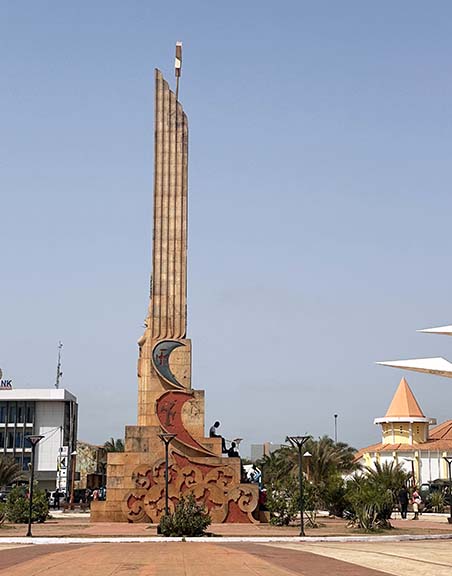
The country is desperately poor, but is able to afford huge fleets of shiny military vehicles (non-photographable). They are also able to erect monuments to somewhat fanciful victories.
|
|
|
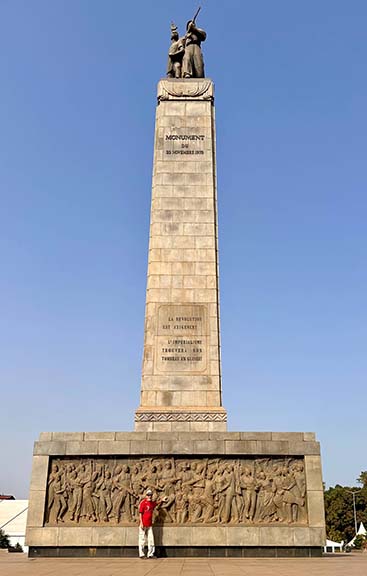
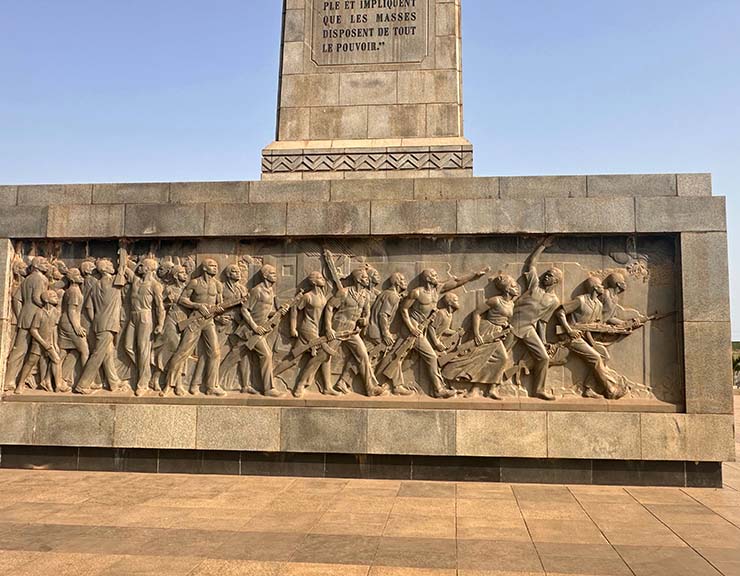
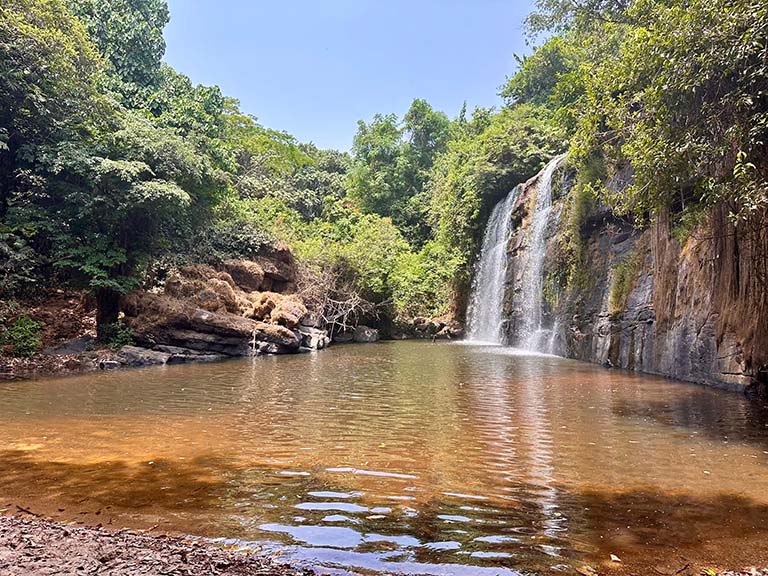
We drive out to the nearby Kindia region. The country has a great deal of natural beauty and the people are very kind and friendly, but the execrable condition of the roads means that you need a lot of time and dedication to get out of the city to experience it. What you also experience is the corruption that keeps Africa poor: along the way are periodic police and military checkpoints where passage requires the payment of "tea money." And, oh, did I mention the "gifts" exacted by customs inspectors on the way into the country?
|
|
|

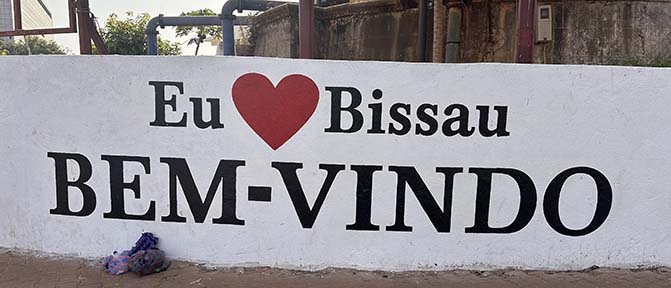
Next is a flight to Guinea-Bissau. There are two Guineas: French and Portuguese. To avoid confusion, the names of the capital cities are appended: hence, Guinea-Conakry and Guinea-Bissau. (But the French managed to stake claim to the one-word version.)
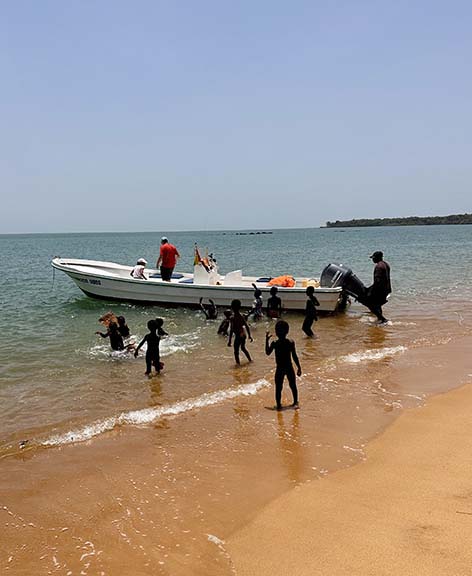
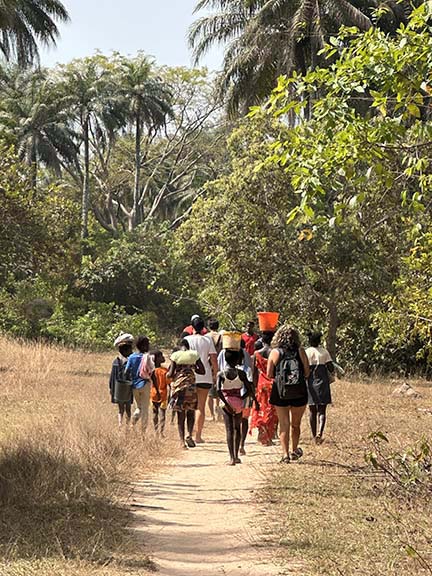
We board The African Princess, a wooden, outboard-motor driven vessel with four tiny coffin-like cabins for a week cruising the Bissagos islands. The villages we visit are remote in terms of regular contact with the mainland, but somewhat inured to the weekly visitation by tourists bearing gifts. The children swarm out to our landing skiff and accompany us inland.
|
|
|
|
|

|
|
|
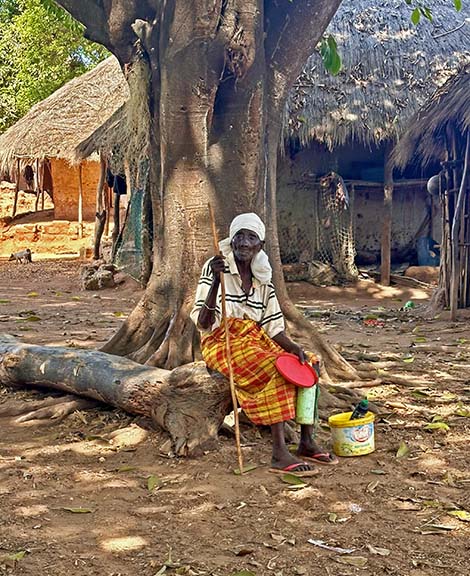

I learn something horticultural. Everywhere we walk are cashew trees (originally brought by the Portuguese from Brazil). I already knew that the nut grows outside of the fruit. The red or yellow cashew apple is edible and somewhat tasty. What I did not know is that the protuberance is not. I bite into one to discover that the desired nut is enveloped by a thin soft shell moist with a toxic cashew-flavored acid. It takes a few days for my burned lips to heal.
|
|
|


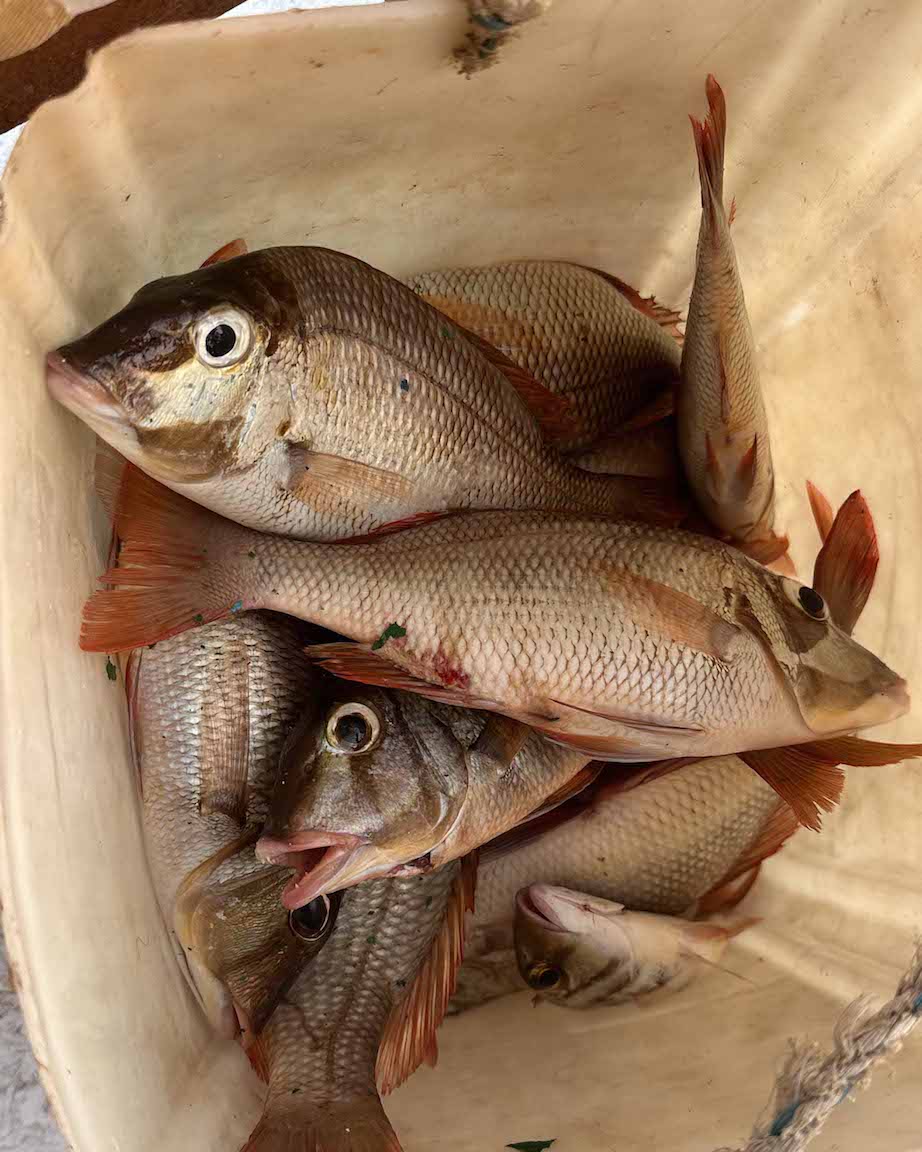
Our boat may be simple but the food is excellent. Fresh is the word: twice a day the crew takes a skiff out to catch lunch and dinner.
|
|
|

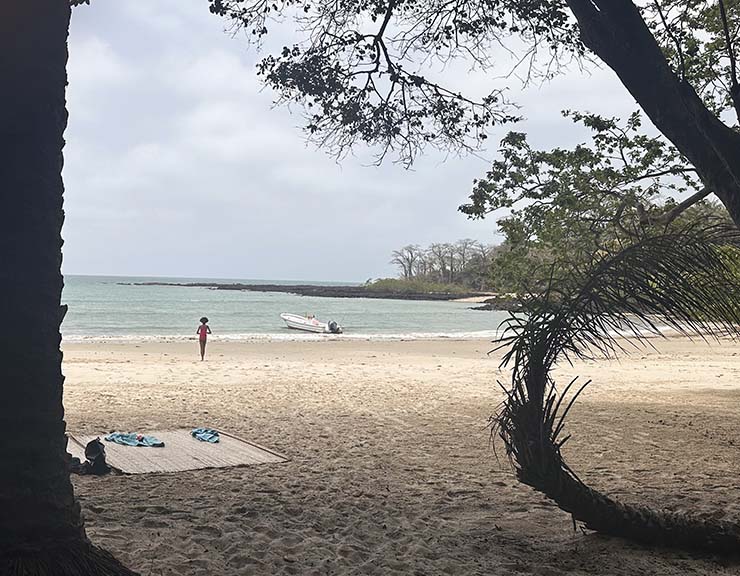
Much of the islands are a national park. It's not the season for turtle nesting or saltwater pygmy hippos so there are lots of visits to deserted beaches. (B-O-R-I-N-G !). The tropical sun is broiling hot and there is a dearth of shade so I bring my own.
|
|
|

|
|
|


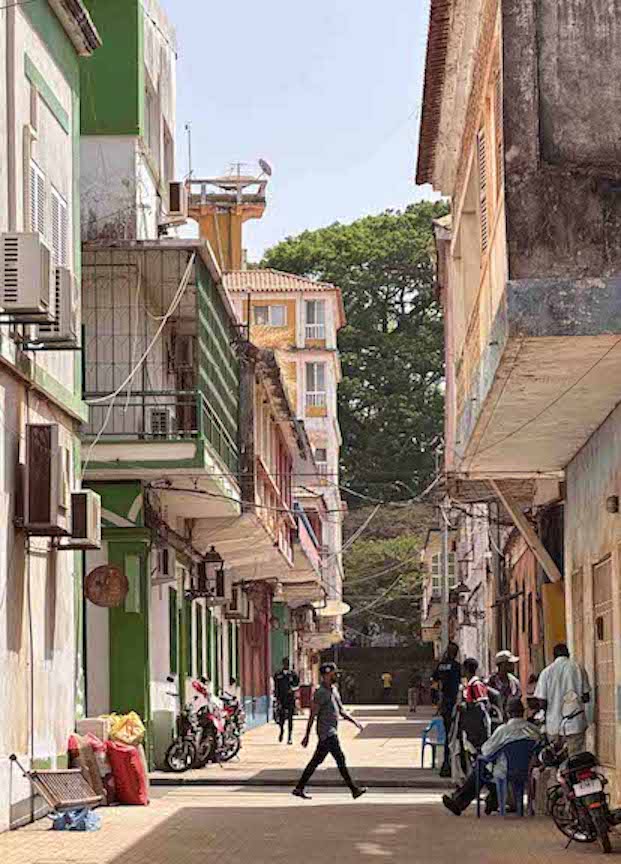
At the end of the cruise there is still a day to see the sights of Bissau, such as they are. Colonial buildings, a small old-town. The 18th century fort stands right next to the historic center, but is still used as a military base and thus off-limits. Soldiers/secret police in balaclavas and sunglasses enforce a prohibition against photography of its surrounds. This is another African "republic" that adopted a Cuban-style system with similar results.
|
|
|

|
|
|

On to Ivory Coast, which, although not heavily touristed, has a well developed infrastructure. Good roads, decent hotels, reliable transportation. The principal city and former capital, Abidjan, is big and modern.
We have a guide plus car and driver for five days. We start out by driving the 150 miles inland to the official capital, Yamassoukro, which, by sheer coincidence, was the home town of the country’s first president, who, as is typical for the continent, remained in office until his death. (And, as typical for the continent, following his demise the country descended into civil war. All better now.)
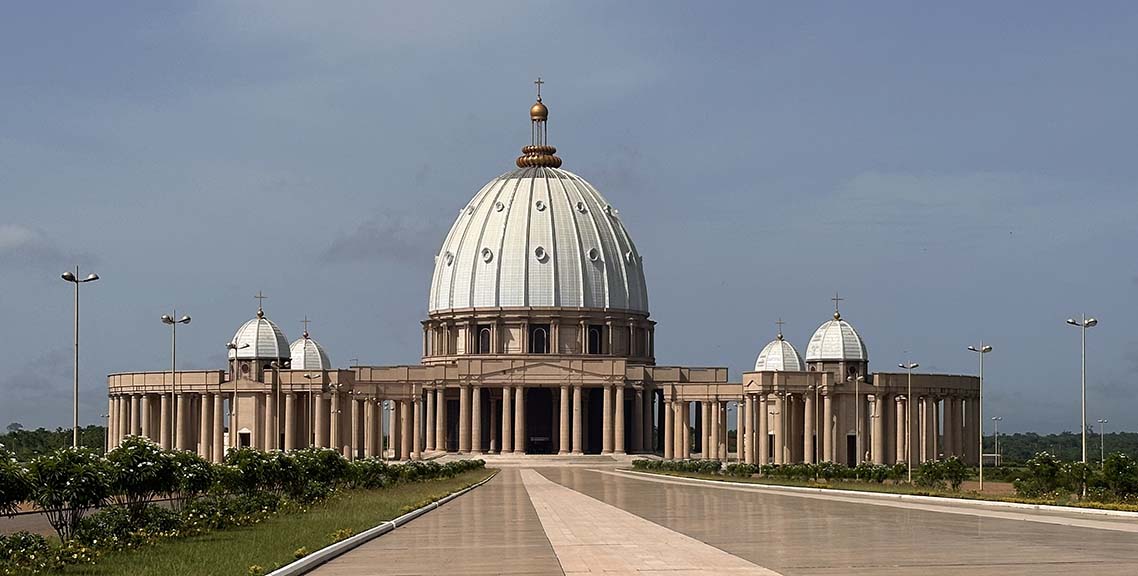
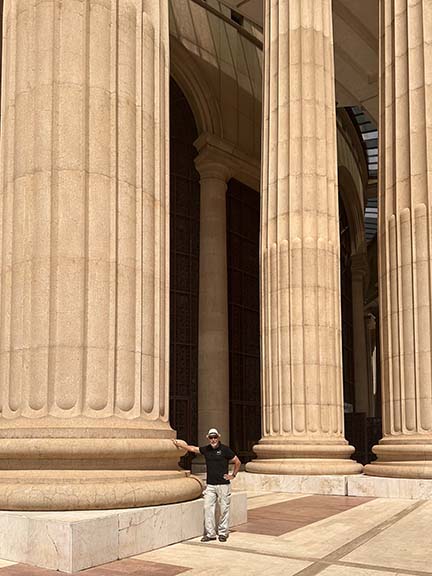
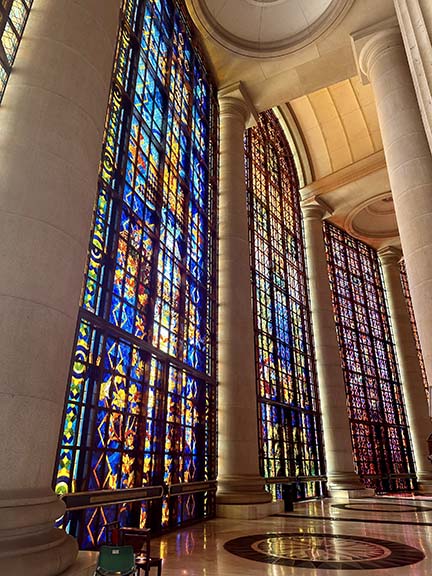
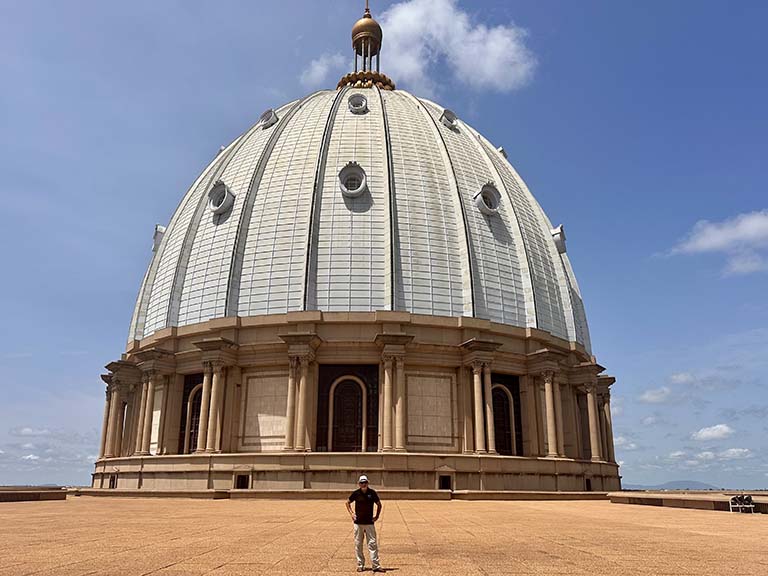
The city’s most prominent landmark is the Basilica Of Our Lady of Peace, billed as the largest Christian church in the world (it is by gross area, but by interior size it is second to St. Peter’s in Rome). In either case, its scale cannot fail to impress.
|
|
|
|
|
|
Beyond the city is a Baoulé village where our guide has arranged a Goli dance performance.
|
|
|
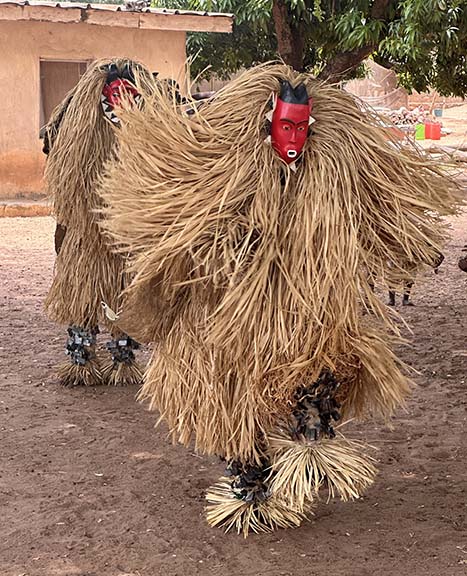
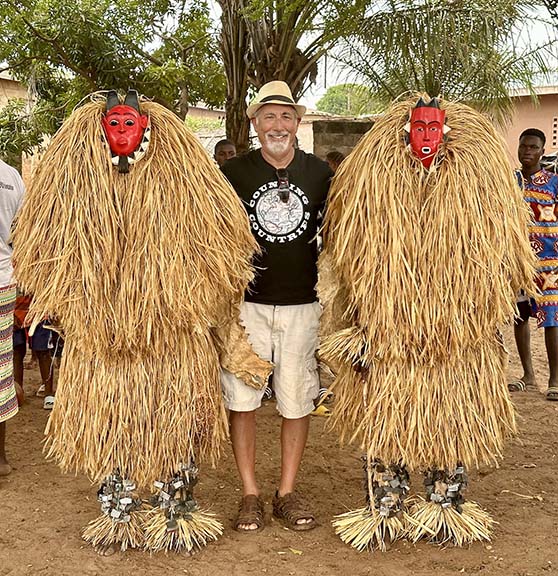
After the small Golis have performed, the big Golis arrive.
|
|
|
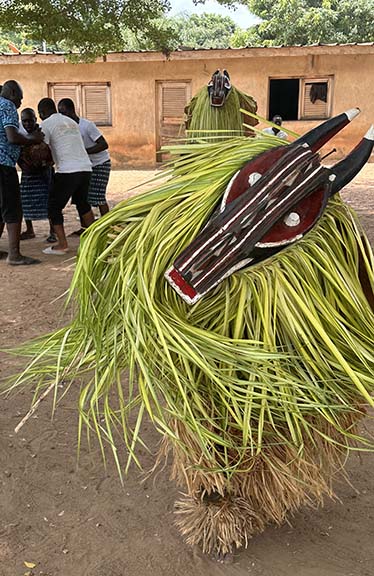
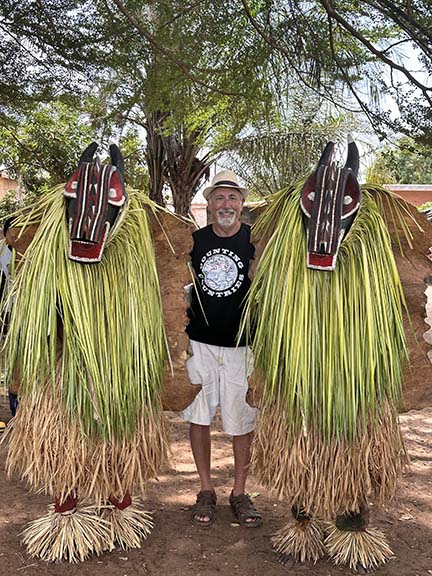
The village elders along with the children come out for the show.
|
|
|
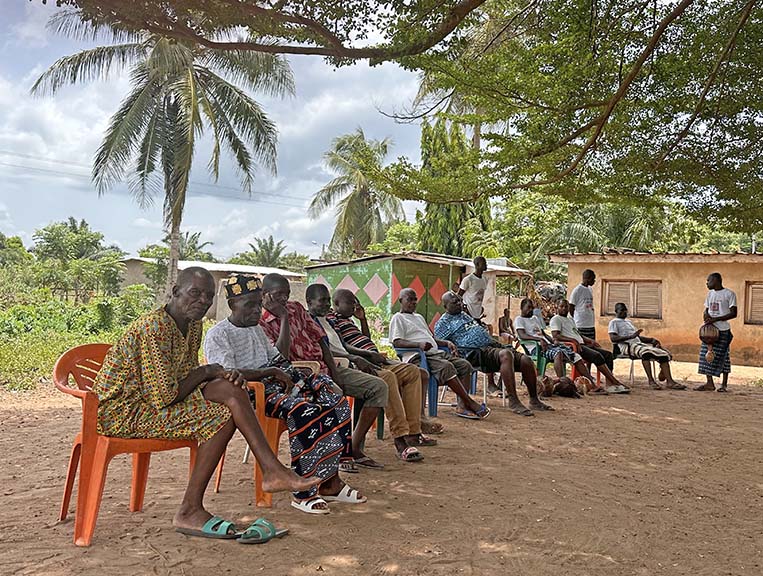

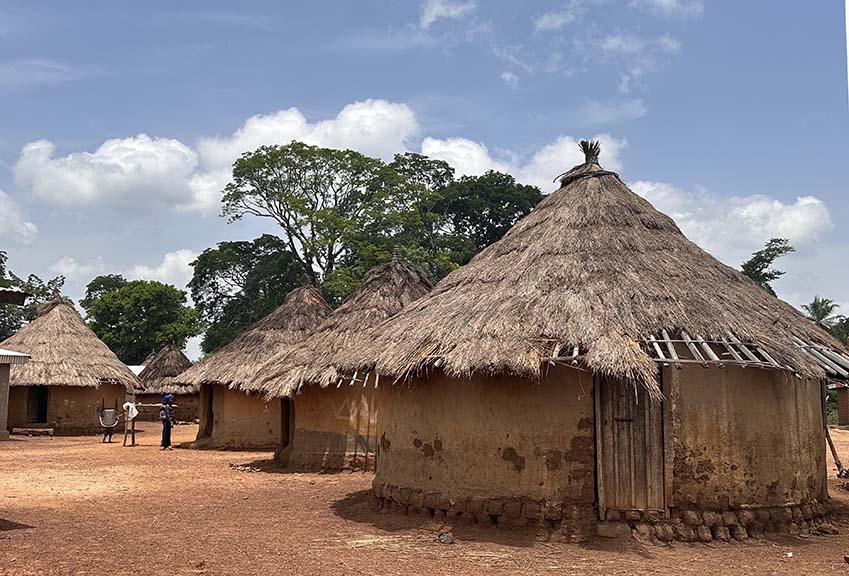
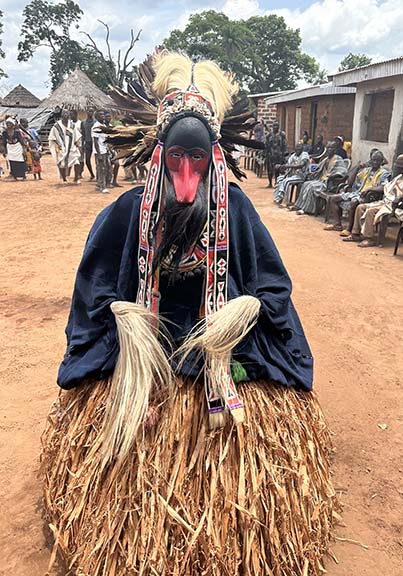
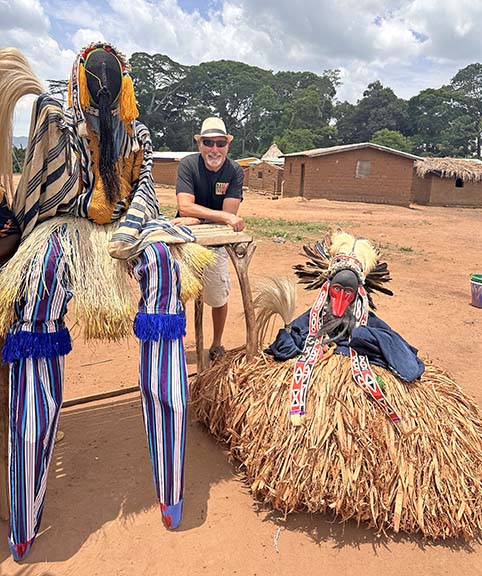
The Baoulé villages are fairly close to Yamassoukra and have been Christianized, but retain their dance as cultural heritage. We then drive far inland to the city of Man. Where we visit next, Touba village, is still animist. Far off the beaten path, they rarely get foreign visitors, and we are welcomed as honored guests. We are greeted by the chief and his entourage, get a tour, are fed, and presented with a multi-act show.
|
|
|

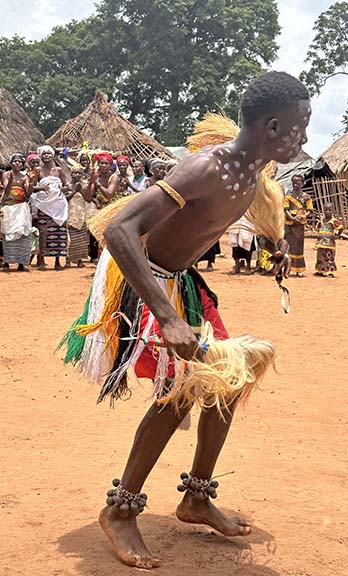
A display of athletic prowess, then dancing by the young men freshly initiated as full tribal members, then the woman deemed most beautiful struts her stuff.
|
|
|
|
|

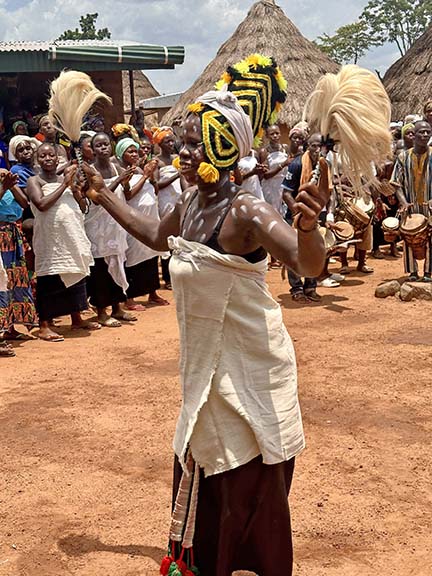
All followed by the spirit dancers.
|
|
|
|
|

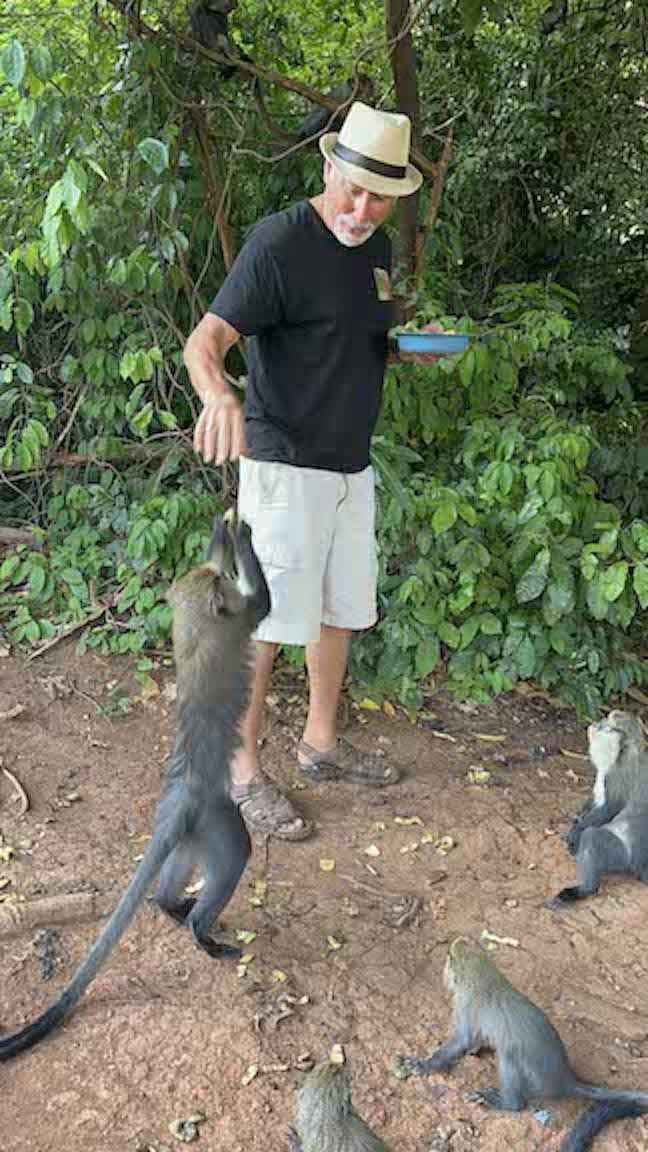
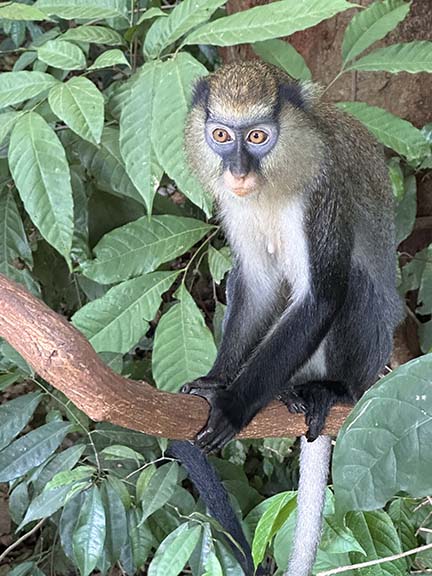
Back in Man, a visit to the sacred forest where the sacred monkeys greedily snatch sacred bananas from the hands of not-so-sacred tourists.
|
|
|
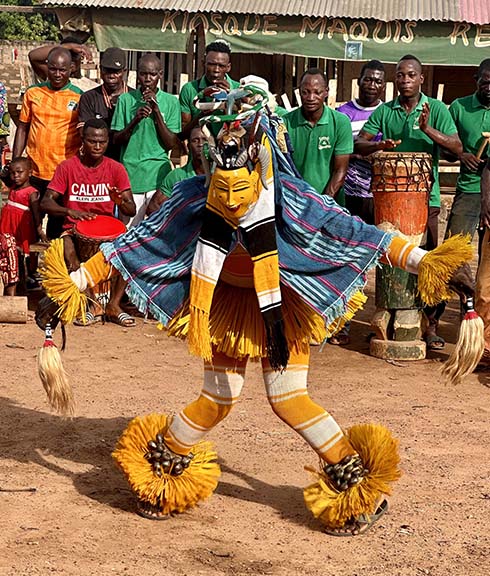
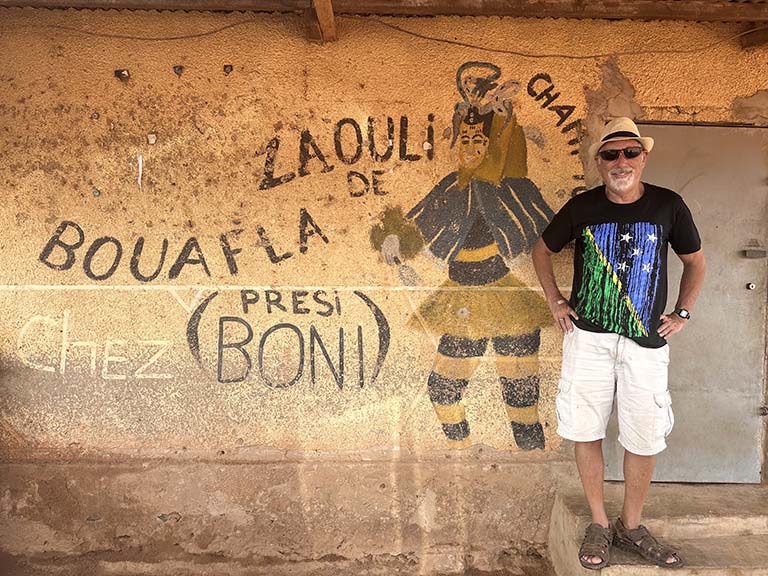
And, finally, we visit Bouafla village to view the famed Zaouli dance of the Guro people, considered the world's most difficult dance and which has become a national symbol.
|
|
|
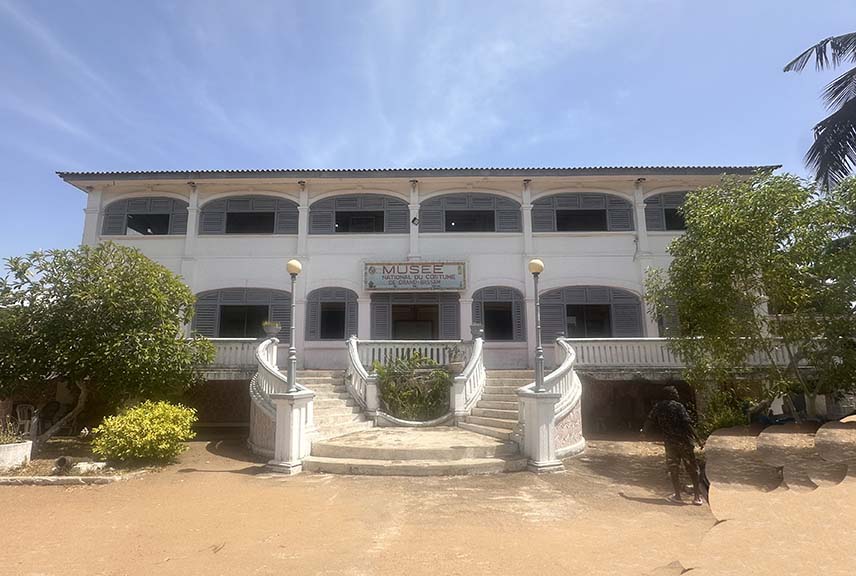
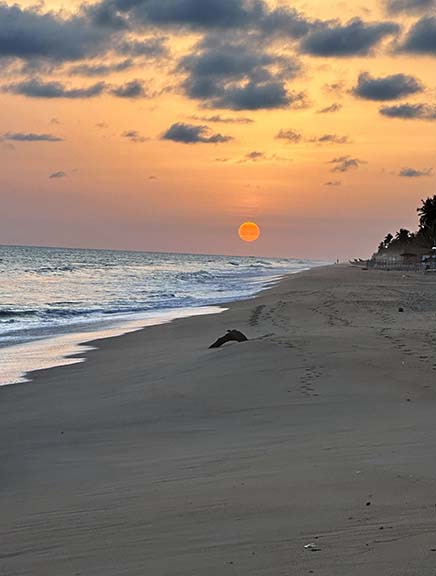
The final night is spent in Grand Bassam, the original colonial capital of Ivory Coast until malaria forced a relocation towards Abidjan. Its crumbling buildings are a World Heritage site, and the former governor’s mansion is now an ethnographic museum. The beachfront has been given over to upscale hotels.
|
|
|
That’s it. A month gone by. Four more tick marks on the country count, four more off the bucket list. My homeward journey is via Paris.
Trip date: March, April 2024