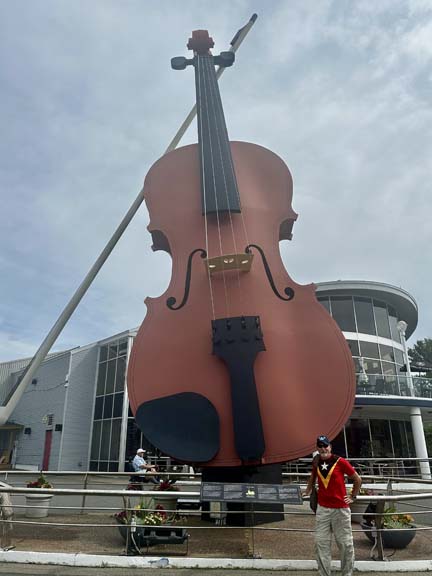
After a day at sea, we reach our first port of call, Sydney, Nova Scotia. Located on Cape Breton Island, it served as a principal staging area for trans-Atlantic convoys in both world wars and was home to one of North America’s largest steel mills (now closed). These days the economic lifeline is tourism and transfer payments from the rest of Canada, as is the situation for much of the Maritimes. The biggest attraction in Sydney? The world's largest fiddle.
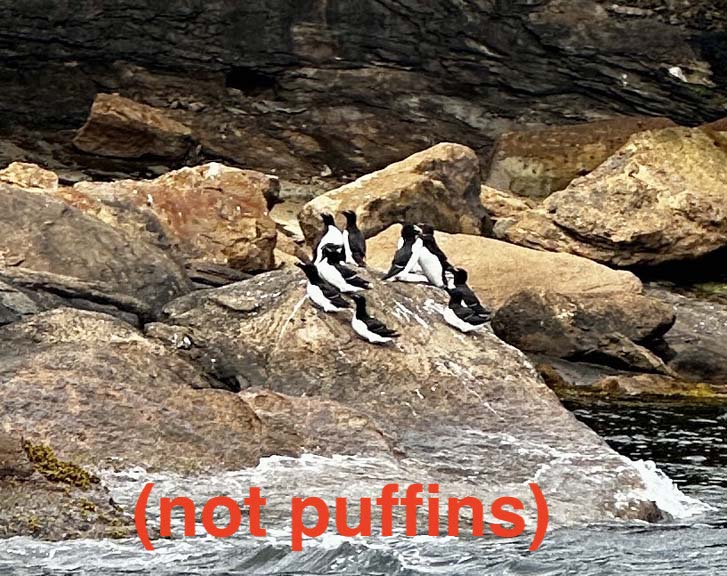
One of the draws of Cape Breton is puffins, though a long drive and boat trip distant. I learn that the eight-inch high plush versions of these improbably cute seabirds in the gift shops are actually life-sized and that they nest in high, remote cliffs and other generally inaccessible places. All the photos you have seen were taken with extreme telephoto lenses; all I see are distant, fast-flying black dots. There is a surfeit of other, less plushable, seabirds.
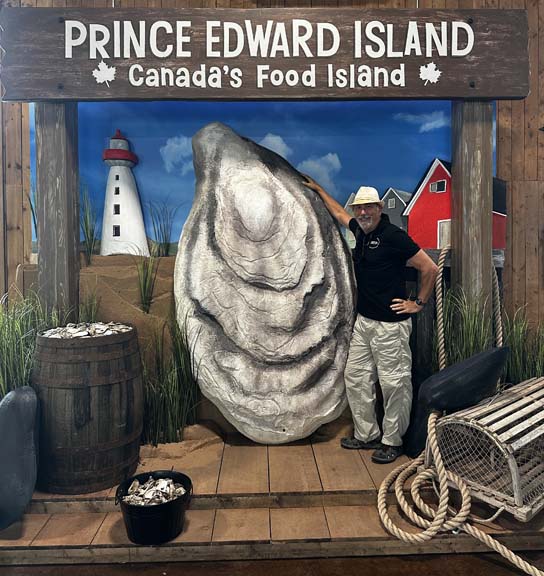
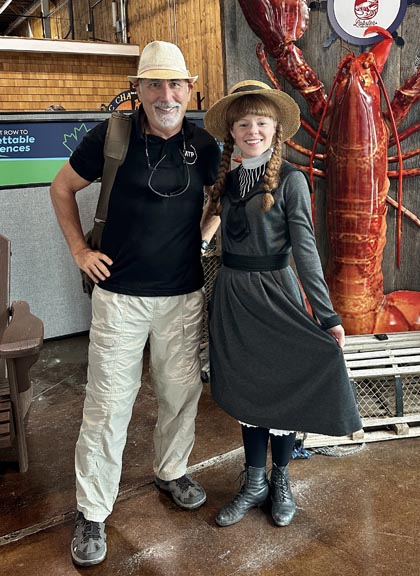
Next day is Charlottesdown, Prince Edward Island, home of gigantic mollusks and crustaceans, and the fictional Anne of Green Gables, who is on hand to greet us.
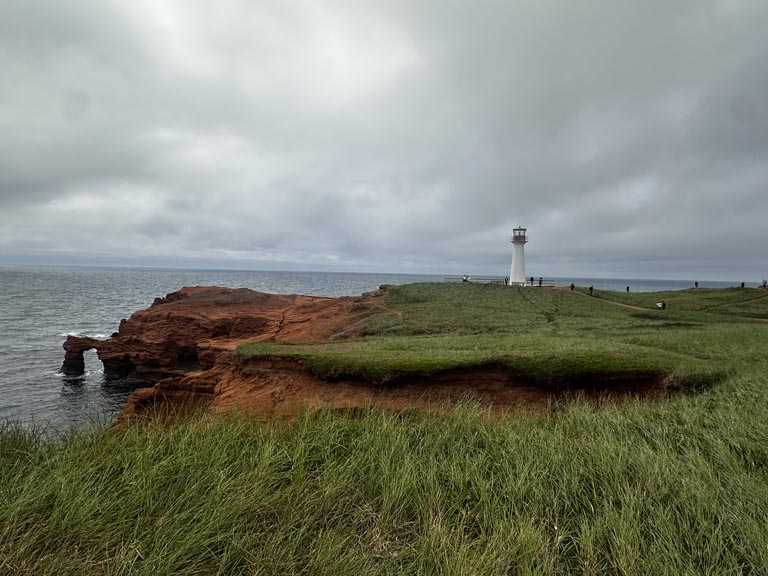
A drive out of the city reveals why this place is a tourist favorite.
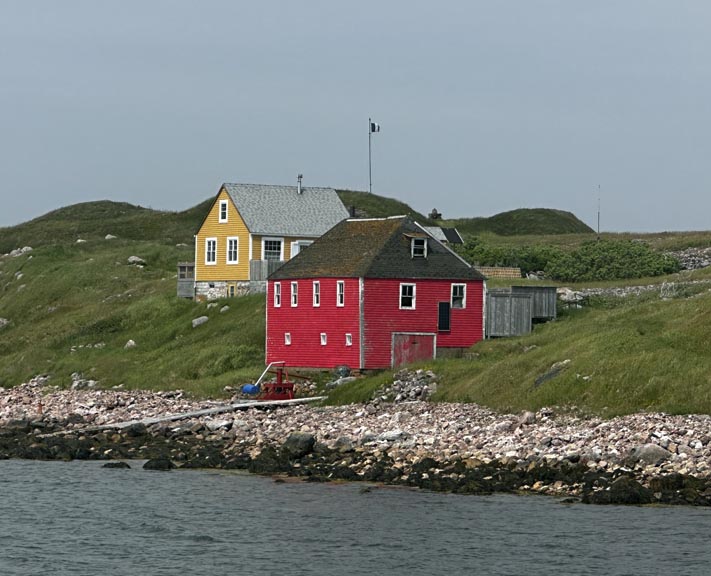
The following day we proceed to Les Iles de-la-Madeleine at the mouth of the Gulf of St. Lawrence and call on the fishing village of Cap-aux-Meules. Part of Quebec, it is a summer getaway for the Frenchies.
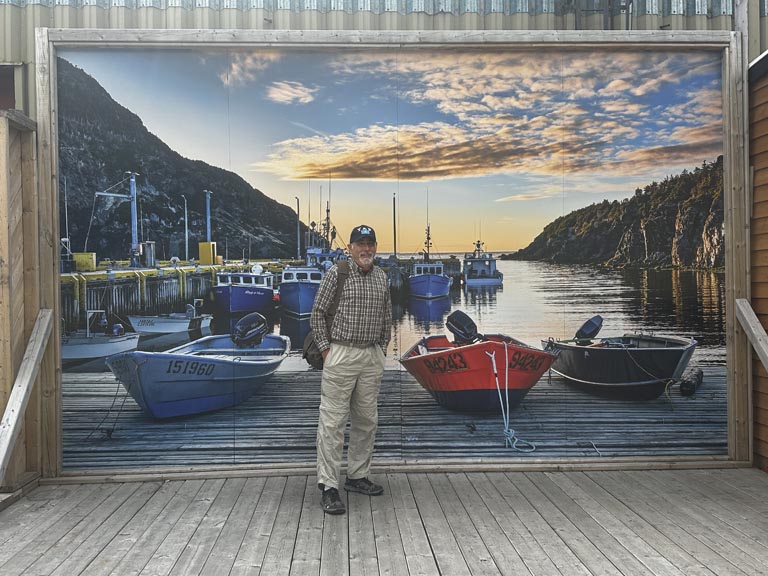
On to Newfoundland, where our initial port of call is Corner Brook, principal settlement of the western side of the island.
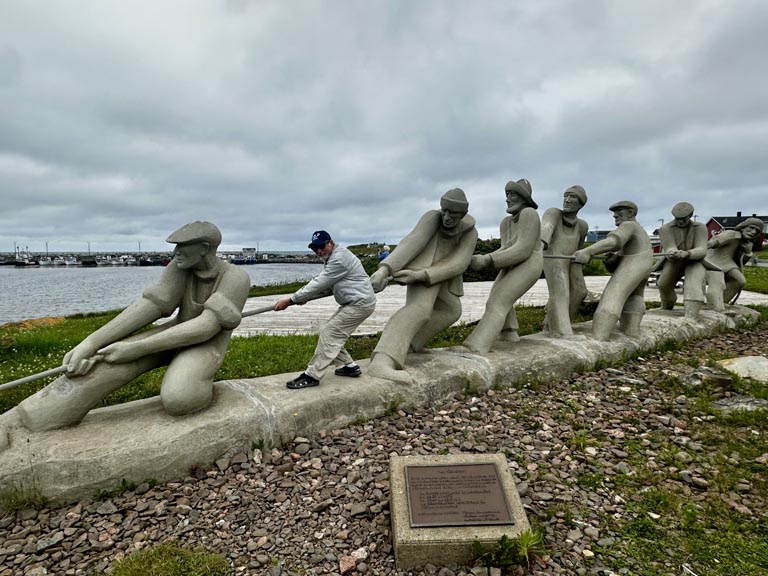
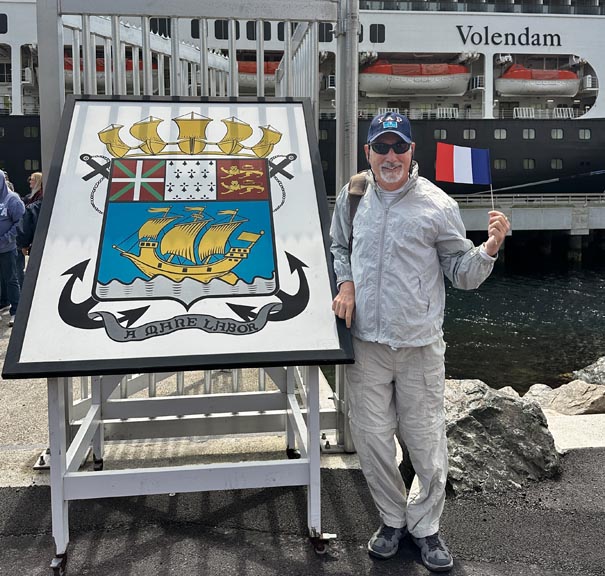
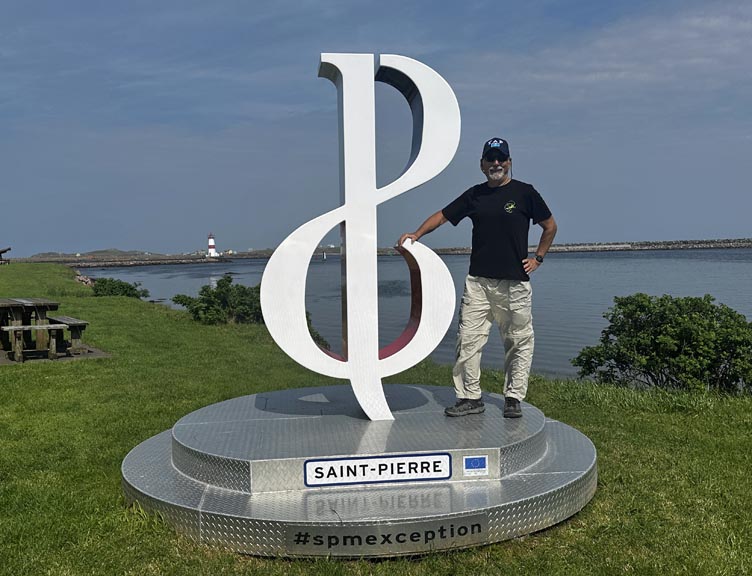
We then visit France. St. Pierre and Miquelon are two small islands that comprise an overseas department of the French Republic. It is the last remnant of New France, which included Quebec, the Mississippi River basin and Louisiana. The currency is the euro and Air France flight from here to Paris is “domestic”.
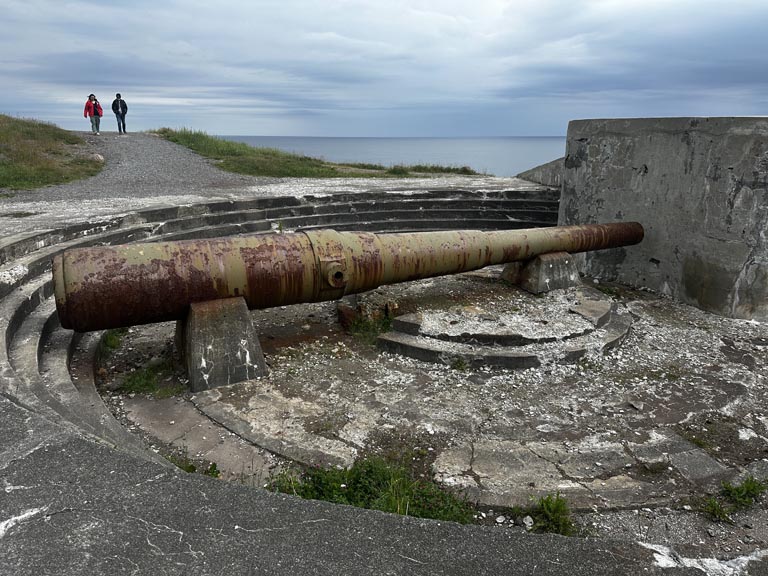
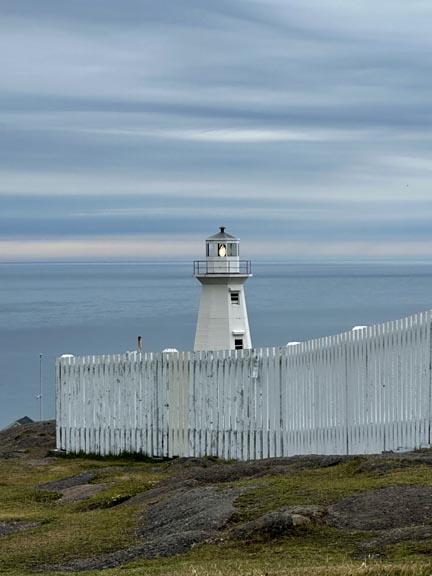
Back to Canada and the eastern side of Newfoundland and its capital and principal city of St. Johns. Newfoundland remained as British North America until 1949 when it, along with Labrador, joined the Canadian Confederation. Radio relay stations, coastal defense guns, "jellybean" houses, giant dogs, and more lighthouses.
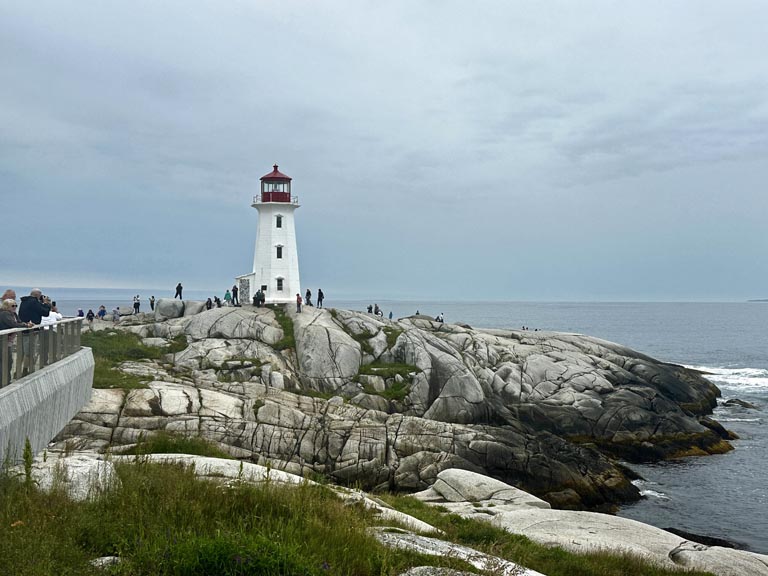
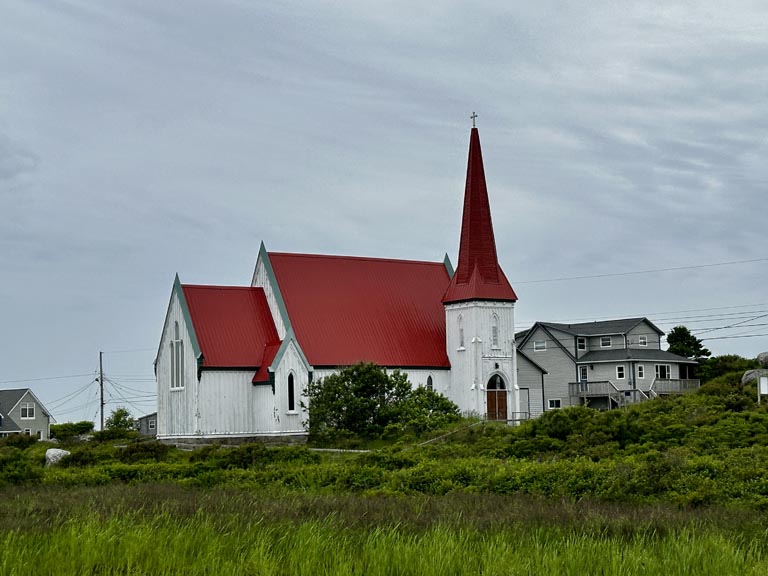
We return to Nova Scotia for our last port stop. Halifax by far the largest city in the Atlantic provinces, but itself not particularly scenic. Far more photogenic is the nearby village of Peggy's Cove.
We return to Boston where I partake in a lobster roll and a six-hour flight to Paris, then an easy connection to Tunis. By no means a difficult destination, Tunisia has somehow eluded me and will be country #187 (of 193).
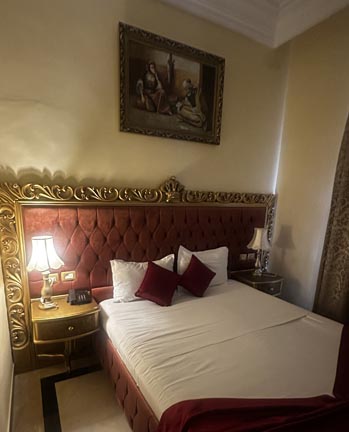
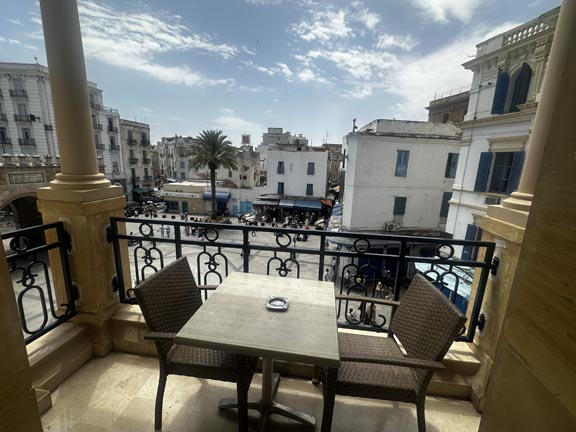
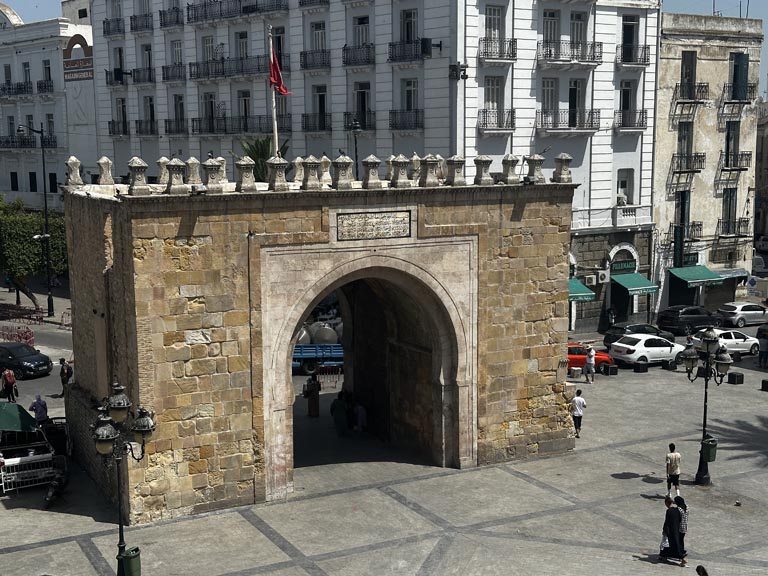
In sharp contrast to the cool temperatures of the high latitudes of Canada, it's over 100° when I land in North Africa. But at least I’m staying in a pretty cool place: the former British embassy, now a hotel, located at the entrance to the Medina (old city).
The first afternoon I visit the Bardo Museum, home of one of the best collections of huge, villa-sized Roman mosaics.
Tunis is the site of ancient Carthage. The Punic city was obliterated by the Romans so completely that almost nothing remained. A century later a Roman city, also named Carthage, was built nearby and became the capital of the province of Africa. The ruins that tourists visit of of the Roman city. Compared to other sites, these are so pitiful as to be not worth a photo.
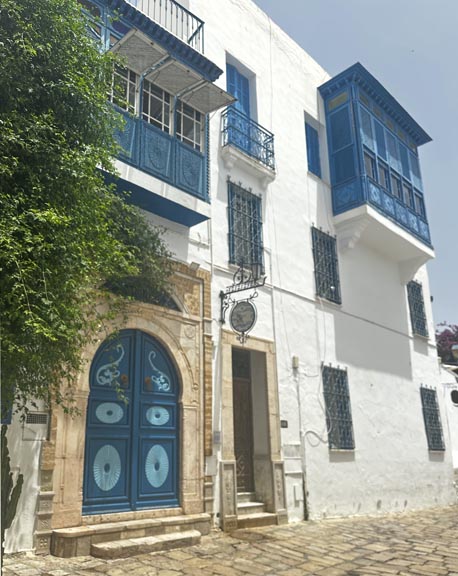
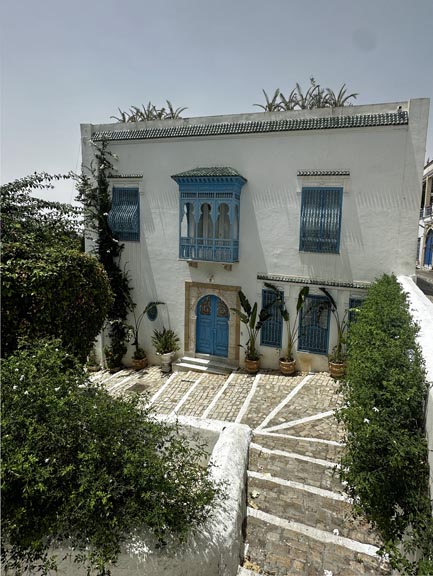
Sidi Bou Said is a picturesque seaside village adjacent to Tunis.
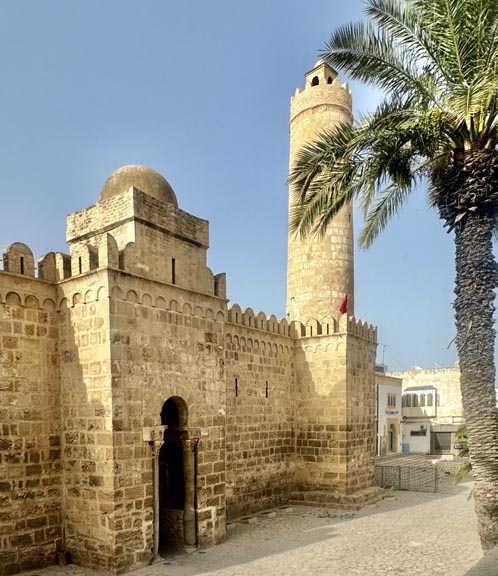
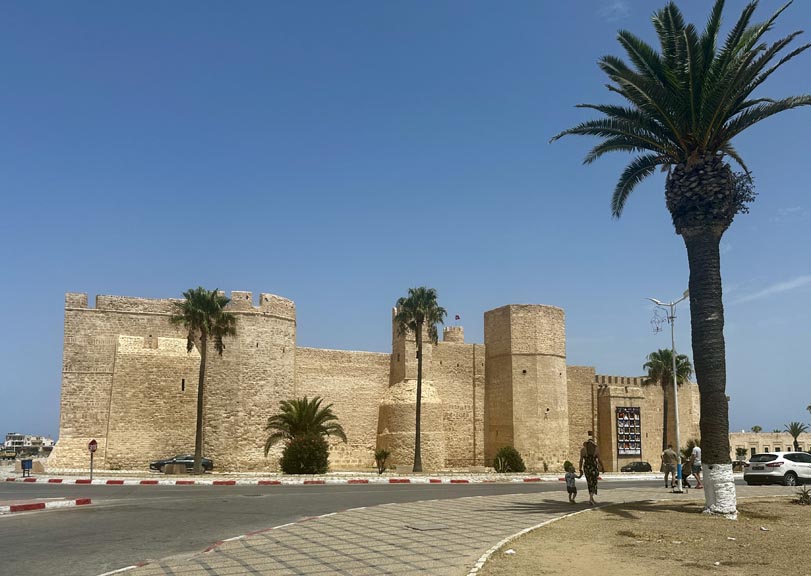
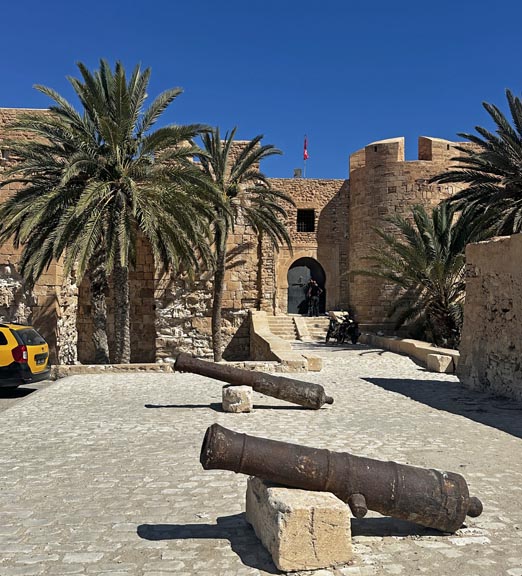
I move my base to Sousse, about two hours down the coast. It boasts an impressive walled Medina and Ribat (fortress).
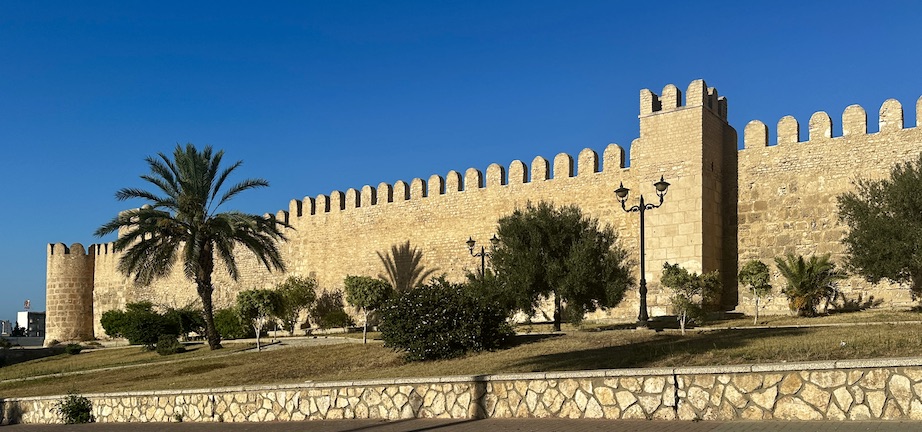
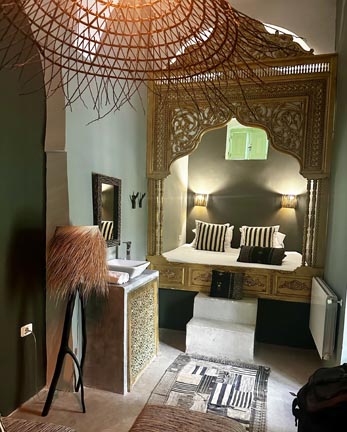
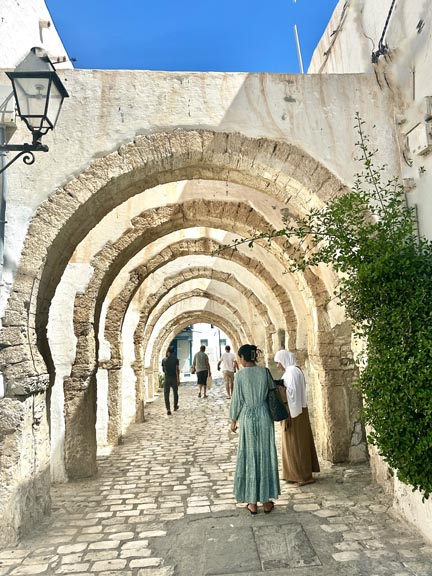
Sousse attracts vacationing euro-hordes to its large beachfront resorts, but I opt for a boutique hotel inside the Medina.
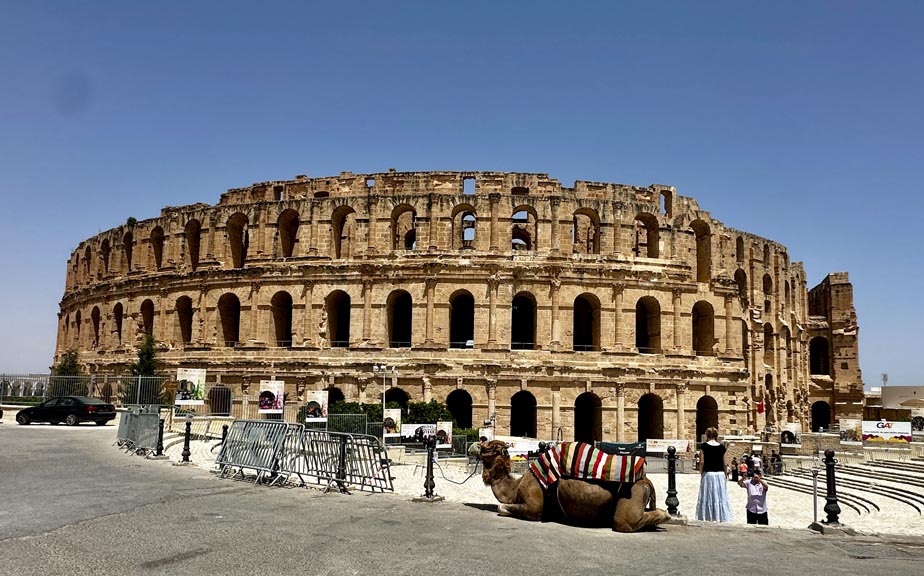
A day trip to El Jem and its well-preserved Roman amphitheater.
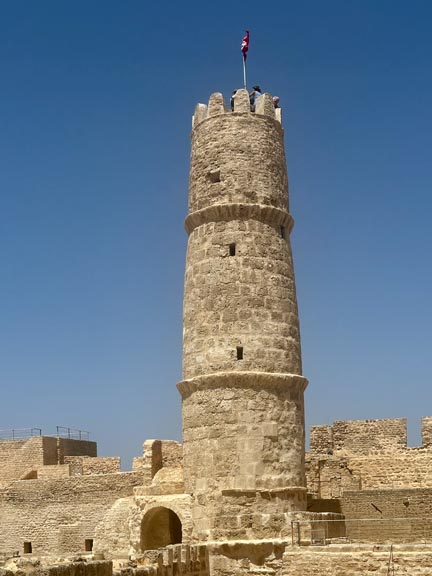
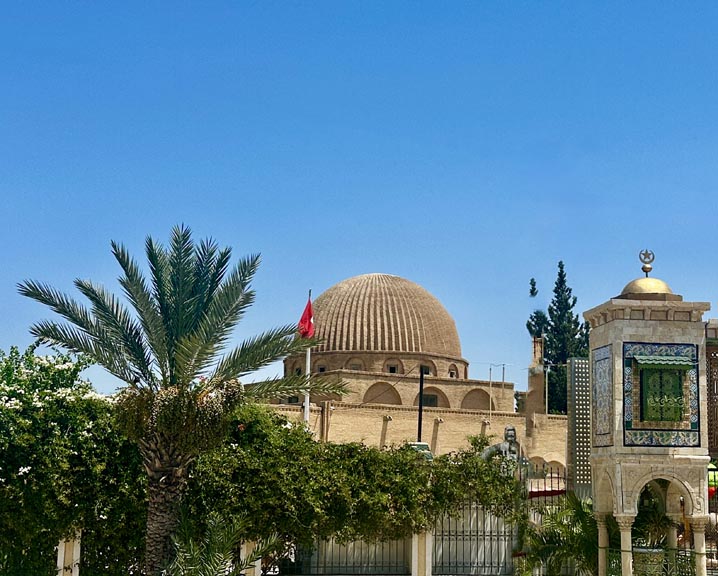
And to Monastir, with its 8th century Ribat.
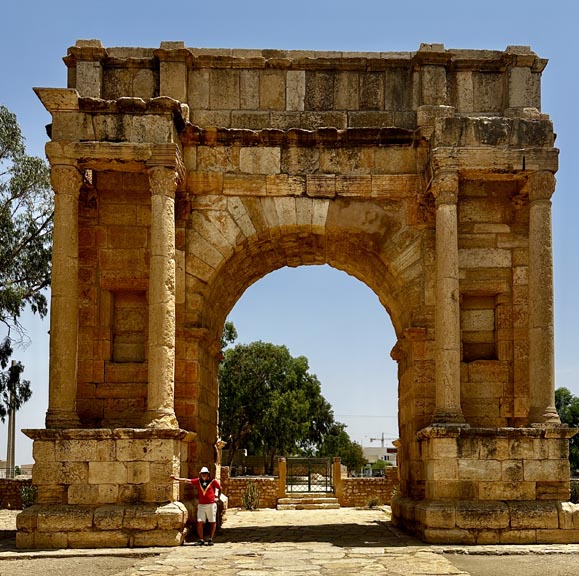
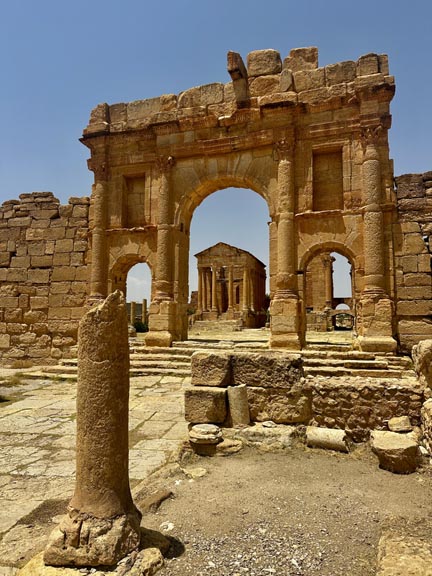
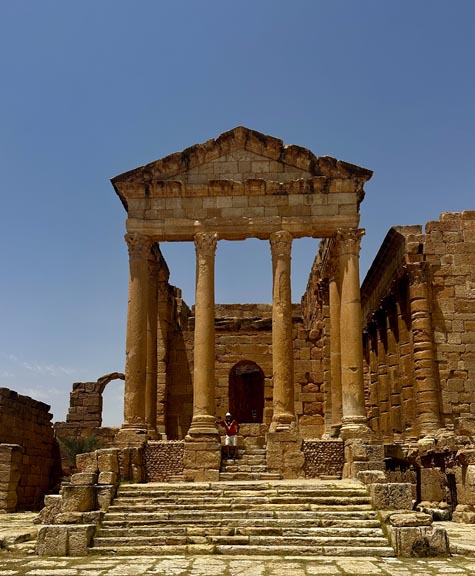
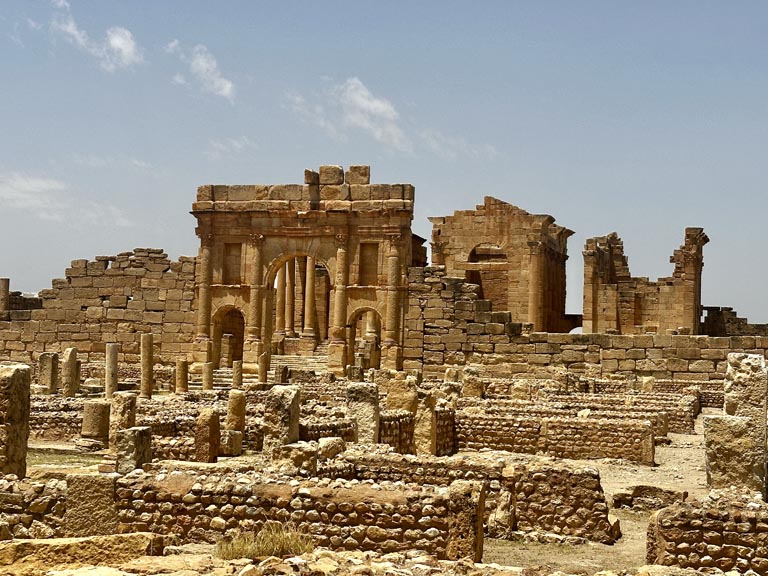
The next day, the Roman ruins at Sbeitla (Sufetula), where I have the place to myself.
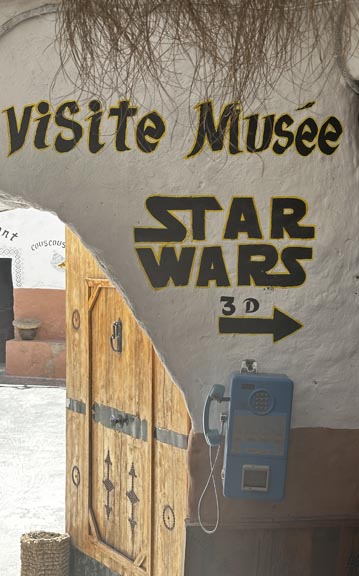
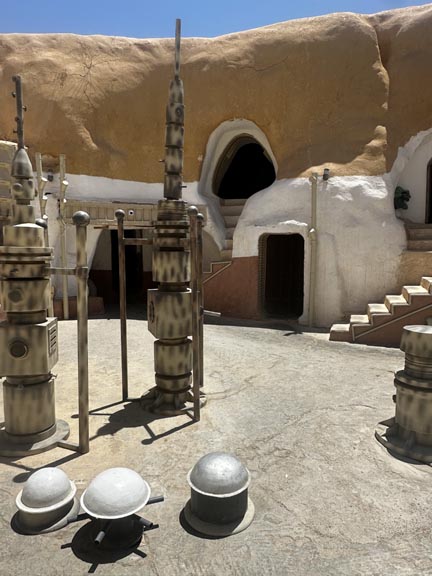
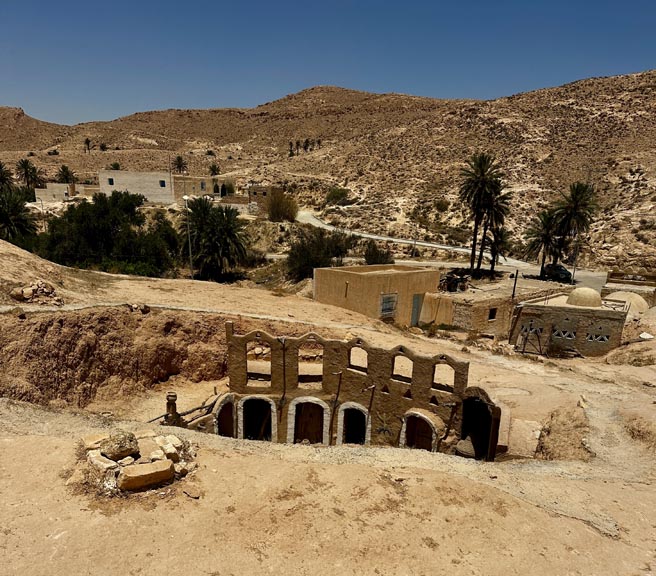
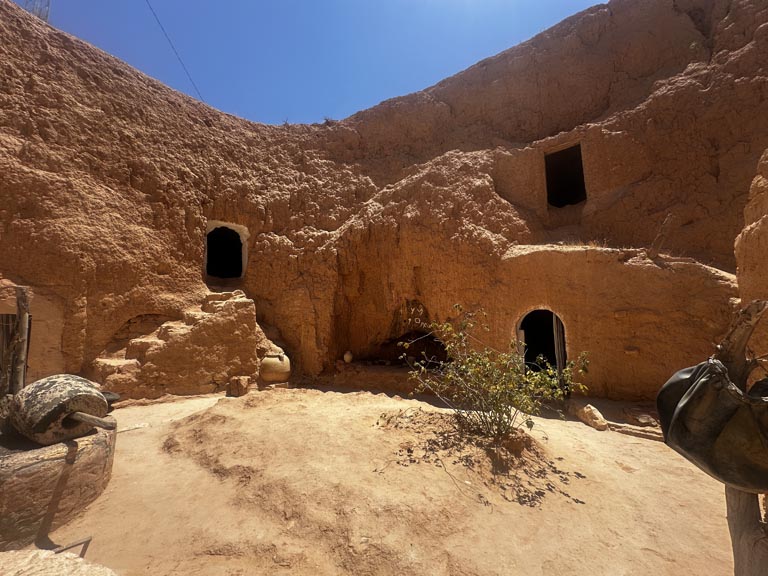
The original Star Wars movie was partially filmed in the Tunisian desert. Matmata, where the locals dug their homes beneath the sands, served as the set for Luke Skywalker’s home on Tatooine. The original props remain, although a bit worse for wear (it's been 49 years!), in what is now a hotel. As you would expect, souvenir light sabers are for sale in the gift shop.
Other dwellings serve as museums of the troglodyte life-style.
Its a long drive to Djerba, which fails to live up to its repute as a magical island. Its one and only attraction is the world’s oldest synagogue, dating to the 6th century BC, although the current building is only a hundred-something years old.
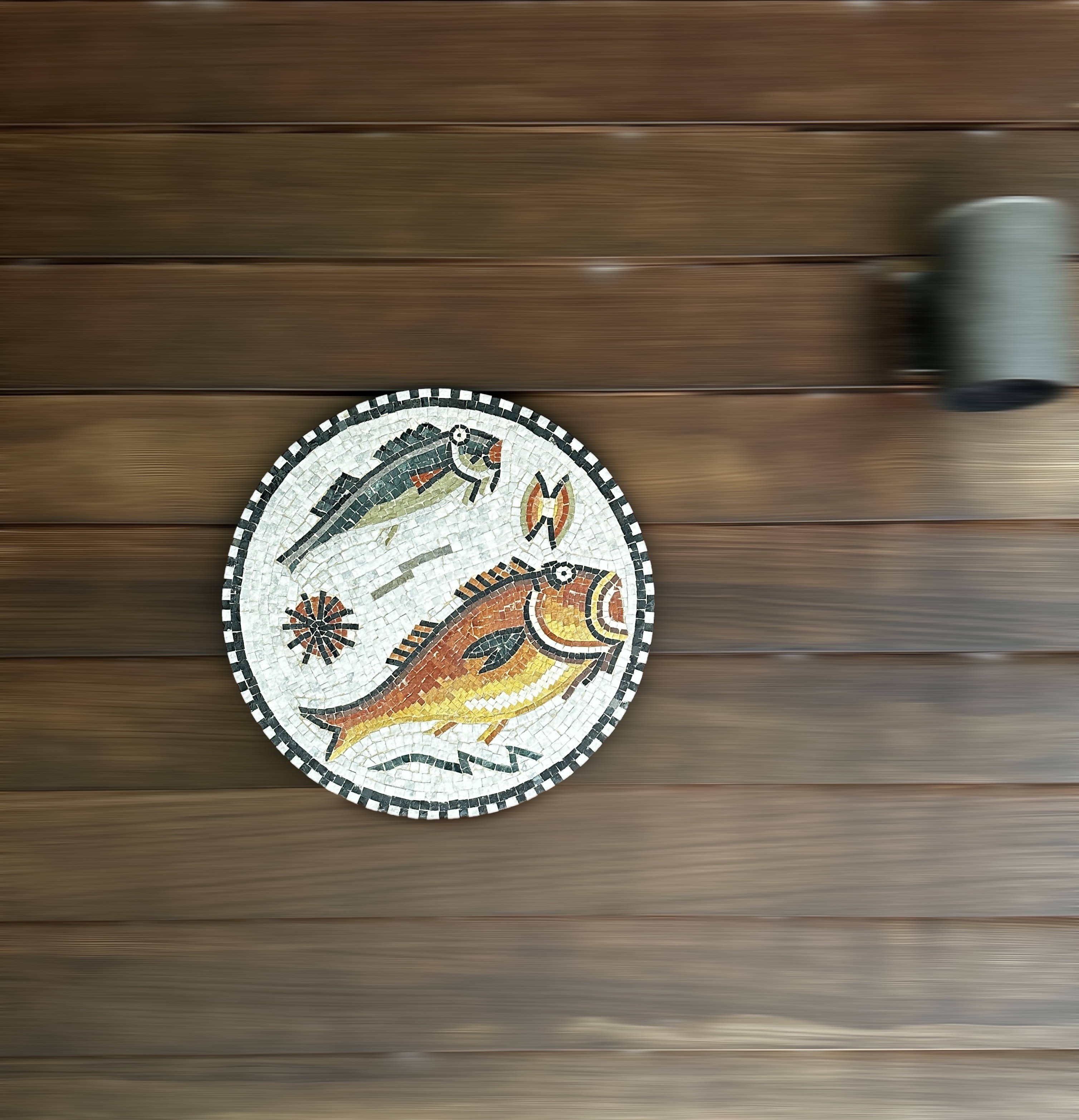
But in the market I find my souvenir, a less-than-villa-sized Roman-style mosaic now proudly on display at Stately Bergwerk Manor.
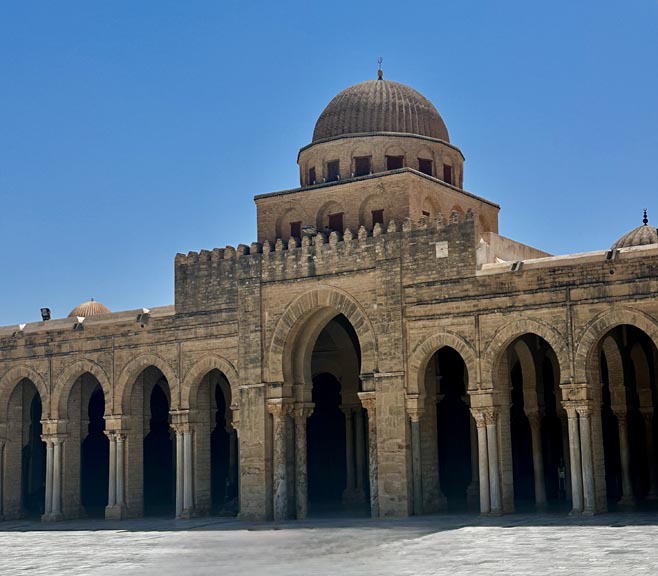
On the way back to Tunis we stop at Kairouan, billed as the fourth holy city of Islam. Its Great Mosque was founded in the 7th century, but only the courtyard is accessible to infidels.
A final day in Tunis.
Trip date: July 2025
HOME